
Silk Screen Printing onto Clothing
Professional Silk Screen Printing for High-Volume Branded Clothing. Durable, vibrant and cost-effective printing — ideal for corporate uniforms, promotional campaigns and large-scale personalised clothing projects.
Fast Quote Response Free Expert Advice Get a Fast Quote Now Contact Sales

What is Silk Screen Printing onto clothing?
Silk screen printing is one of the oldest and most popular printing techniques that dates back throughout history. Also referred to as silk screening or silkscreen printing, it involves layering colours and using stencils to transfer designs onto fabric or material.
The layers of colour or design are achieved by only allowing ink to pass through certain parts of the silk screen, using different stencils for each colour. This controlled transfer allows for precise and vibrant designs.
As a summary, silkscreen or silk screen print is essentially a method where each layer of the image is pressed through a screen onto the fabric, with each stencil allowing a different section of the design through.
Silk screen printing has been used throughout history to make clothing, and that’s what we mainly use it for at Garment Printing
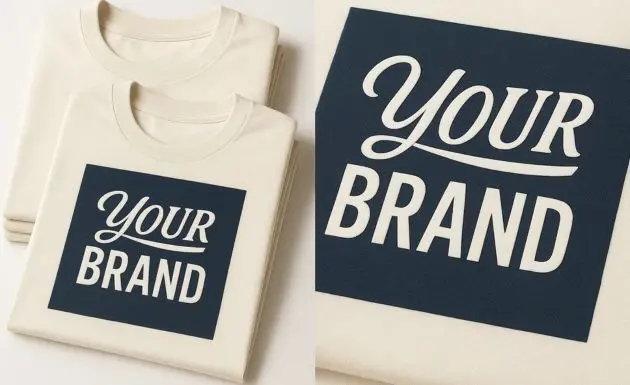
With origins possibly tracing back to ancient China during the Song Dynasty, silk screen printing has stood the test of time. Some say it began in India or Egypt as early as 3000 BC. As the technique spread across Asia and into Europe in the 18th century, it gained popularity, especially when silk became more available and affordable.
The technique rose to prominence again with the invention of photography, and by the 20th century, artists like Andy Warhol had turned silkscreen prints into iconic art. Warhol’s ‘Marilyn Diptych’ is perhaps the most famous example of a silkscreen print in pop culture today.
At Garment Printing, we continue to use silkscreen shirt printing techniques to create everything from custom clothing and uniforms to artwork and decorative pieces. Whether you're wondering how to silk screen, looking for the best silkscreen print machine, or curious about the full silk printing process, we’ve got you covered.
We specialise in high-quality silk screen t shirt printing and silkscreen prints on various fabrics, offering expert guidance and sustainable options. Whether you’re producing bulk orders or one-off designs, the process of silk screening ensures vibrant and durable results.
Why Choose Silk Screen Printing onto clothing?
Silk Screen Printing is one of the most trusted and versatile techniques in the industry, delivering bold, vibrant and highly durable results that elevate your personalised clothing to a truly professional level. Its ability to produce rich colours, solid coverage and crisp details makes it a top choice for tshirt printing UK and large-scale branding projects.
This method creates a premium, long-lasting finish that withstands frequent washing and daily wear — ideal for personalised uniforms, event merchandise, promotional campaigns and retail collections. The ink bonds cleanly to the fabric, ensuring exceptional colour intensity and consistent results, even on dark garments.
For brands, agencies and corporate teams, Silk Screen Printing remains one of the most cost-effective solutions for medium and large production runs. You benefit from fast turnaround times, stable quality and a polished result that strengthens your visual identity.
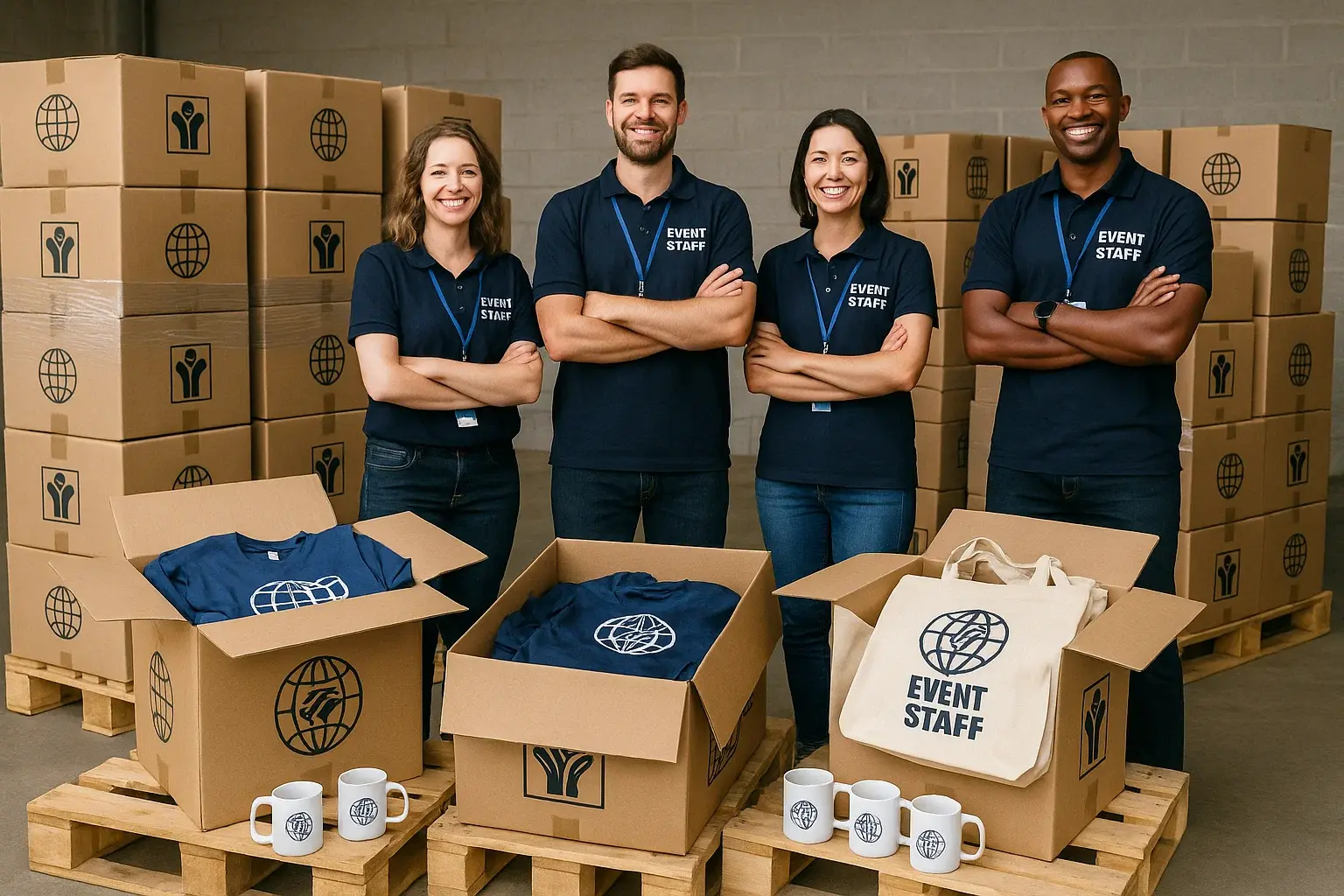
If you’re looking to create personalised clothing with striking colours, durability and a truly professional finish, Silk Screen Printing is the technique that delivers the strongest impact every time.
Need Branded Merchandise for your Team, Business & Event
Personalised Clothing and Branded Merchandise are one of the best ways to promote your brand and help your business at events, in the office and beyond .
Get a Quote Now
Process of Silk Screen Printing onto clothing
Silk Screen Printing follows a precise, multi-step process designed to deliver bold, durable and high-quality results — ideal for personalised clothing and large production runs in the UK.
First, the artwork is separated by colours and transferred onto mesh screens coated with light-sensitive emulsion. Each screen represents one colour of the design. After exposure to light, the emulsion hardens, creating a stencil that allows ink to pass only through the desired areas.
Next, the garment is placed on the press, and ink is pushed through each screen using a squeegee. Layer by layer, the colours are applied with exceptional accuracy, producing vibrant prints with solid coverage and crisp edges. Once printed, the garment passes through a high-temperature dryer to cure the ink, ensuring durability, wash-resistance and a professional finish.
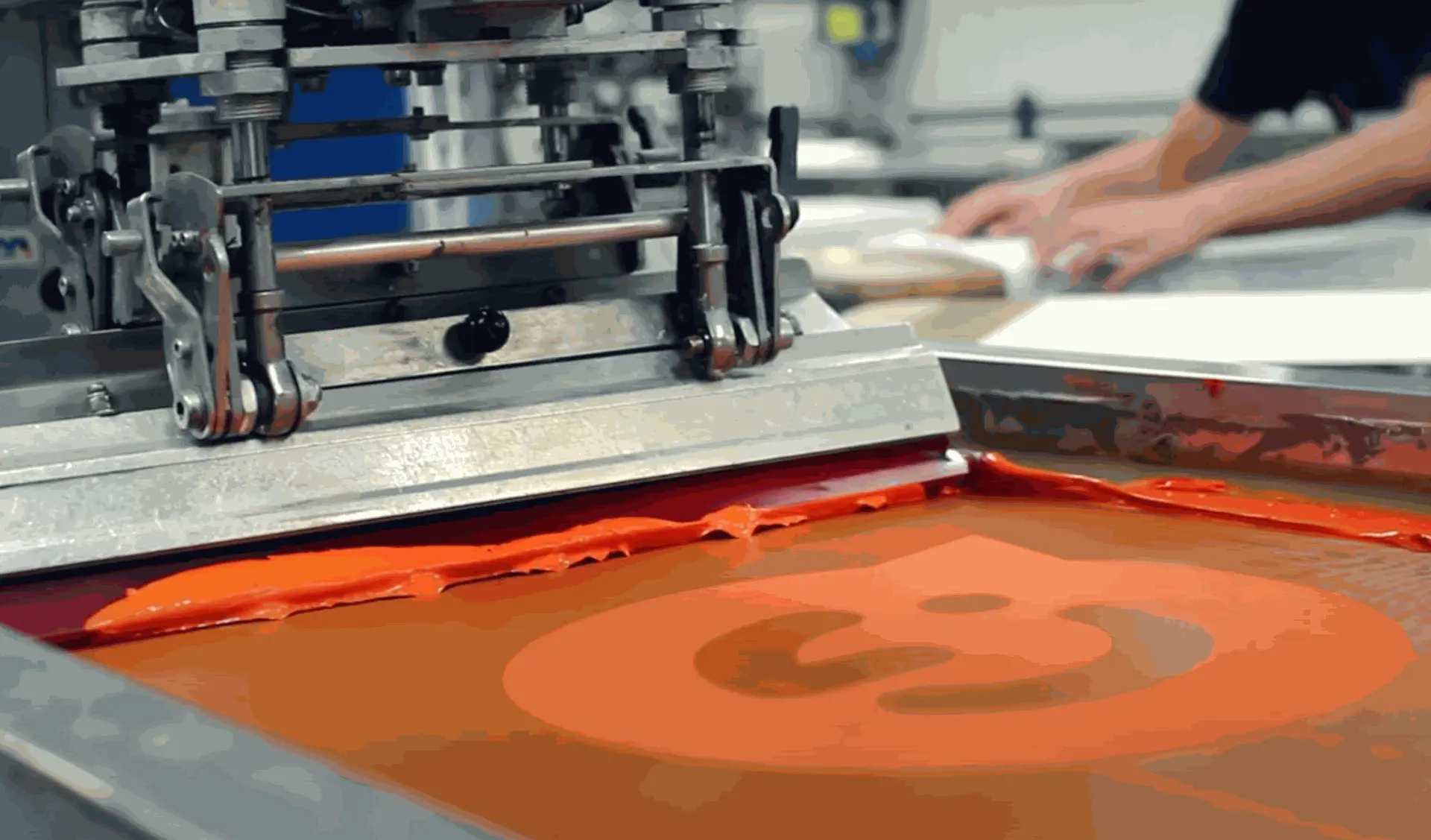
This method allows consistent results across hundreds or thousands of units, making it one of the best techniques for tshirt printing UK, corporate uniforms, events, and any project requiring high-volume personalised clothing with premium quality.
Uses of Silk Screen Printing onto clothing
Silk Screen Printing is widely used across the corporate, promotional and retail sectors thanks to its durability, colour intensity and cost-effectiveness. It is perfect for producing corporate uniforms and workwear that withstand daily use, as well as large-scale event and promotional merchandise for festivals, conferences and brand activations.
Many fashion and retail brands rely on screen printing for bold, high-impact designs in branded clothing collections and streetwear. It is also a preferred choice for sports teams and clubs, offering long-lasting prints for training garments and fan clothing. For agencies managing nationwide campaigns or bulk T-shirt runs, Silk Screen Printing provides consistent quality at scale, making it one of the most efficient solutions for personalised clothing and professional garments.
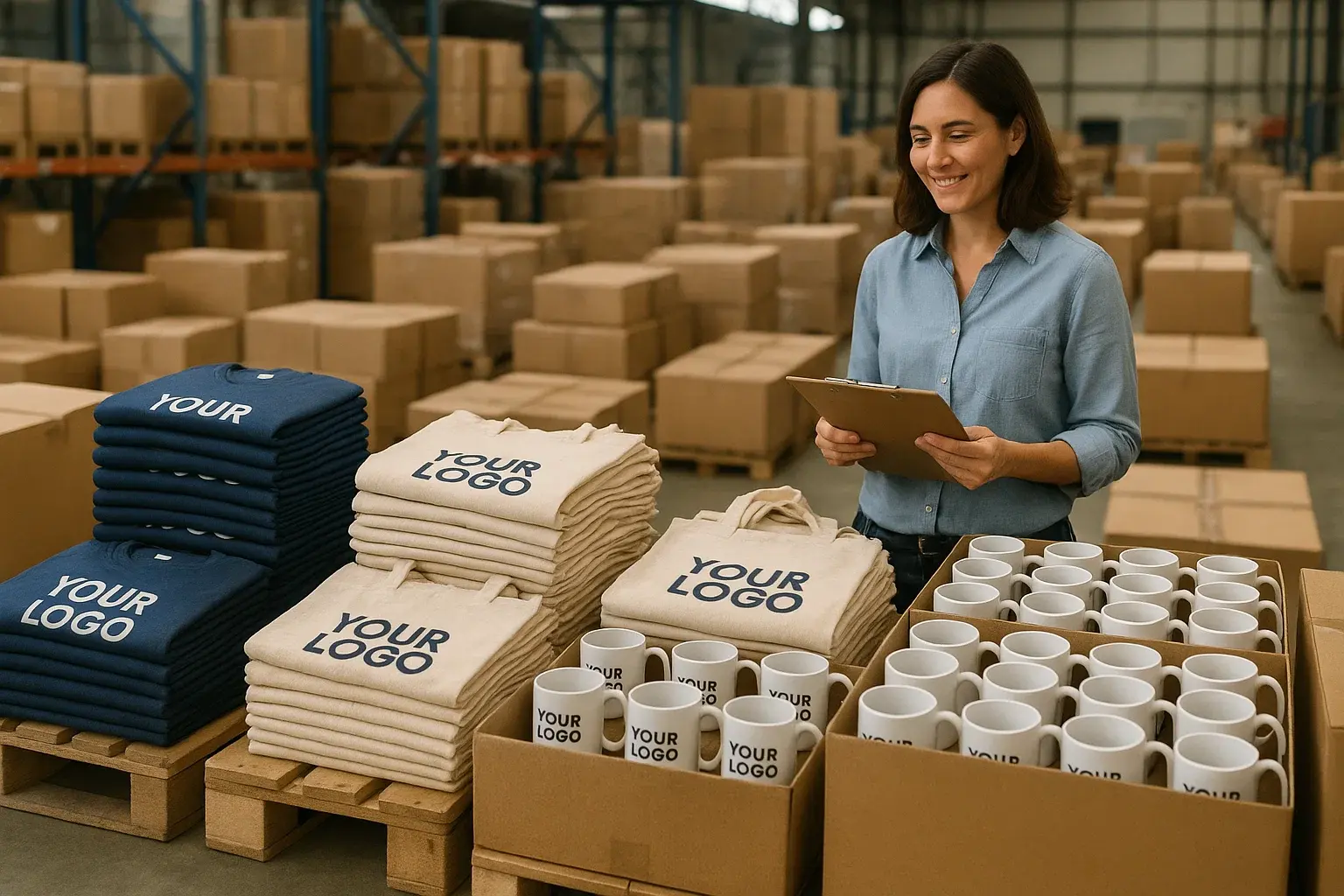
Comparing DTG and Screen Printing Methods: Digital vs Silk Screen Techniques
Compare DTG and screen printing methods to find the right solution for your design style, garment type and order volume. While DTG offers flexibility and high-detail results for small runs, screen printing delivers bold colours, strong durability and cost efficiency for larger production.
DTG Printing
DTG printing is ideal for detailed, colourful designs and small quantities, as it prints directly from a digital file with no setup costs
If you're ordering a one-off or need photographic-quality detail, DTG printing is your go-to.
Direct to garment printing allows for full-colour, intricate artwork to be printed with no minimum order, ideal for complex visuals or on-demand fashion drops.
If you need fast turnaround, soft prints, and unlimited colours, DTG prints from a garment printer offer unbeatable convenience compared to classic silkscreen methods.
Screen Printing
Screen printing, on the other hand, is best for large batches of simple designs where cost-per-unit matters.
For large-volume runs of bold, block colours, screen printing remains a popular, cost-effective choice.
Silk screen Printing
Silkscreen printing, while offering excellent durability, requires stencil creation and setup, making it better suited for bulk jobs with limited colour palettes.
Advantages of Silk Screen Printing onto Clothing
1. Bold, Vivid Colours
Silk Screen printing delivers strong, vibrant colours thanks to thick layers of ink that sit on top of the fabric. Pantone colour matching to keep true to brand colours & guidelines. Giving a professional finish.
2. High Long Lasting durability & Quality
The inks used are long-lasting and resistant to repeated washing, making Silk Screen printing ideal for garments that will see heavy use, such as uniforms, workwear, or promotional apparel.
3. Cost-Effective for Bulk Orders
Very competitively priced – the more you order the cheaper the price. The cost per unit decreases significantly with volume, making it ideal for big runs.
4. Fastest printing technique for printing in large volumes
Silk Screen printing is the fastest technique for producing high volumes of printed clothing quickly, without compromising on quality.
5. Produces designs with multiple colours
Silk Screen printing allows for vibrant, multi-colour designs with sharp detail and long-lasting results.
6. Special Ink Effects Possible
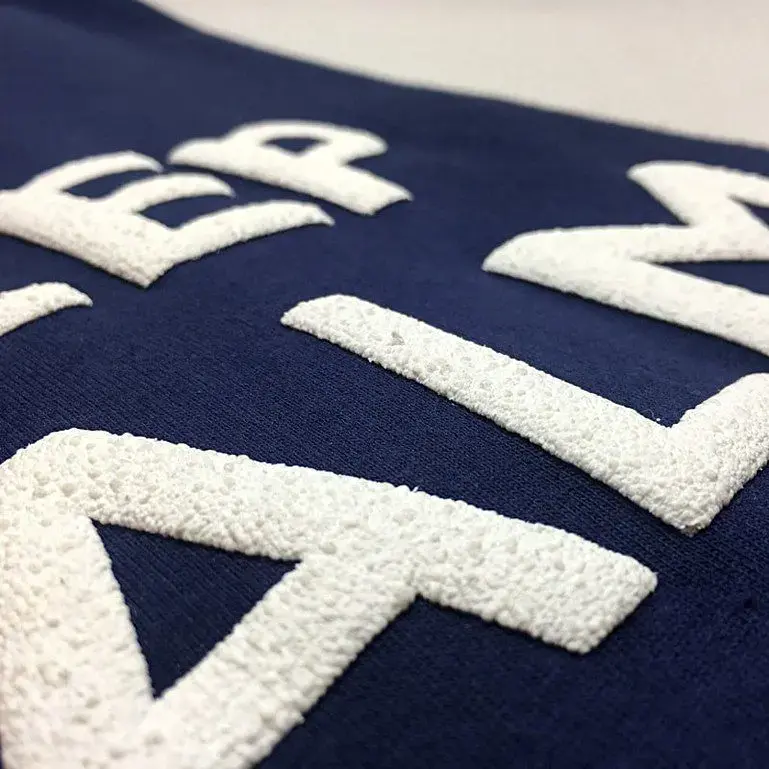
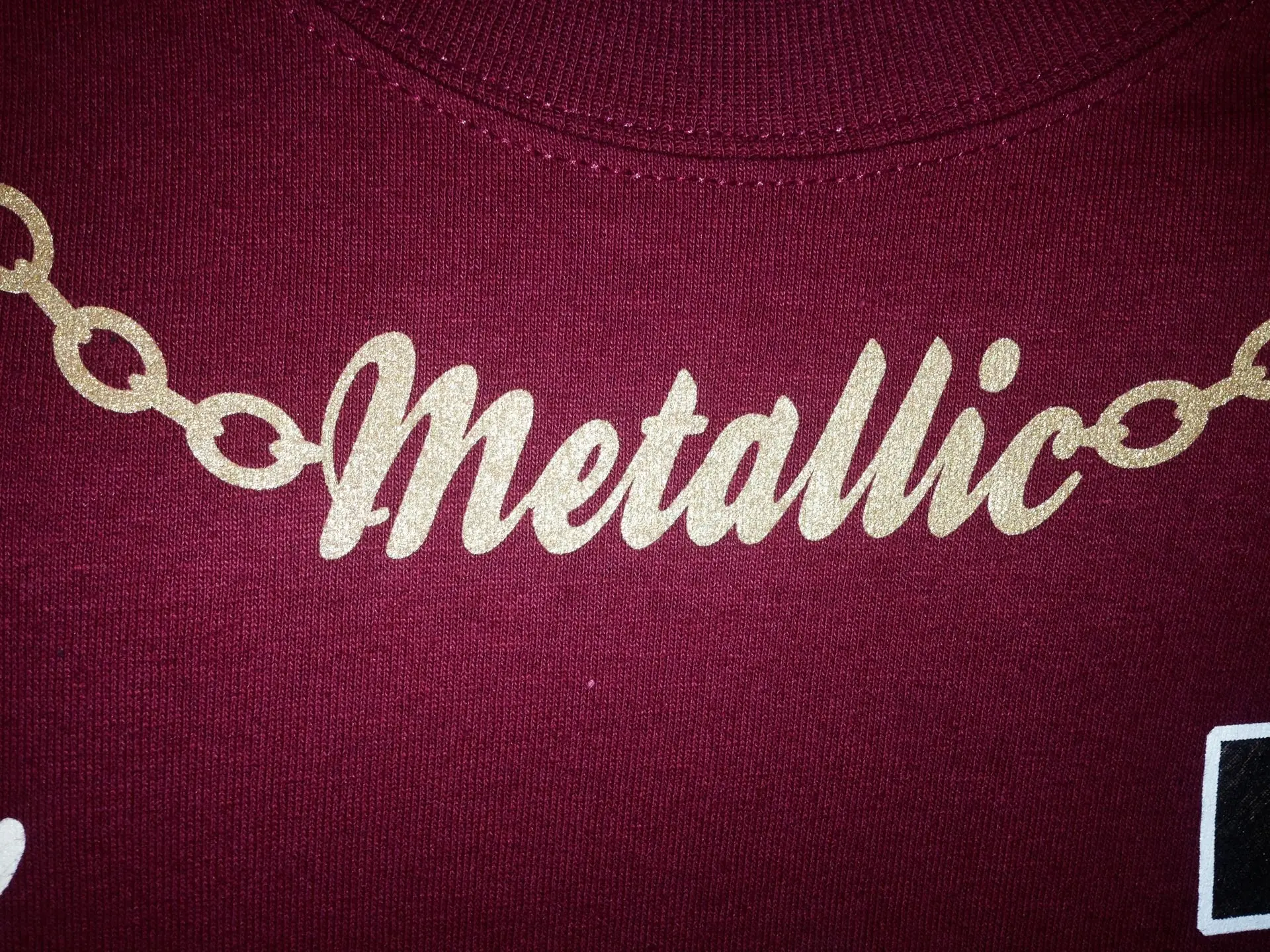
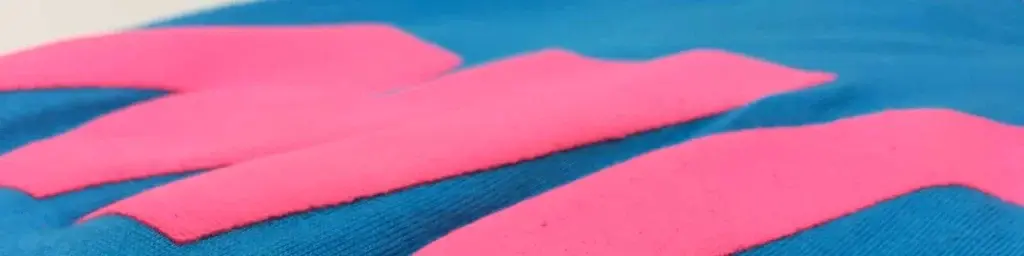
You can incorporate metallic inks, fluorescent inks, puff inks, and other speciality finishes that aren’t typically available with digital methods, allowing for unique creative designs.
Disadvantages of Silk Screen Printing onto Clothing
1. High Setup Costs for Small Runs
Each colour requires a separate screen, which takes time and money to produce. More Silk Screen printing equipment means higher costs. For short runs or one-off designs, the setup costs are not cost-effective.
2. Limited Colour Usage per Design
The process becomes more complex and expensive with each additional colour. It’s best suited for designs with fewer colours and less intricate detail.
3. Not Ideal for Photographic or Gradient Designs
Fine details, gradients, or photo-realistic images are difficult to reproduce accurately. Silk Screen printing works best for bold lines and graphic elements.
4. Environmental Considerations
Traditional Silk Screen printing can generate chemical waste and requires water for cleaning screens. Unless eco-friendly inks and practices are used, it can be less sustainable. Ask for our eco screen printing options.
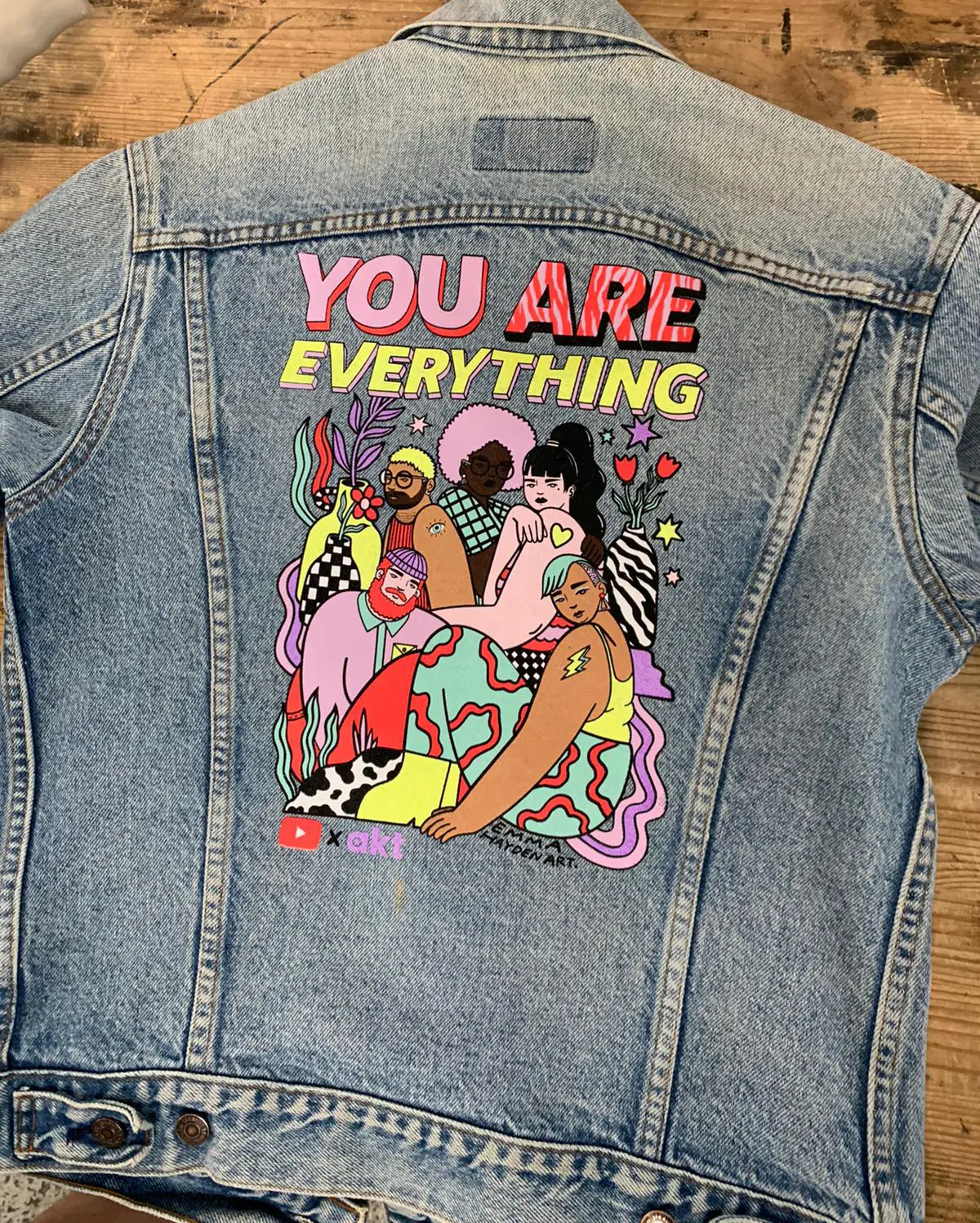
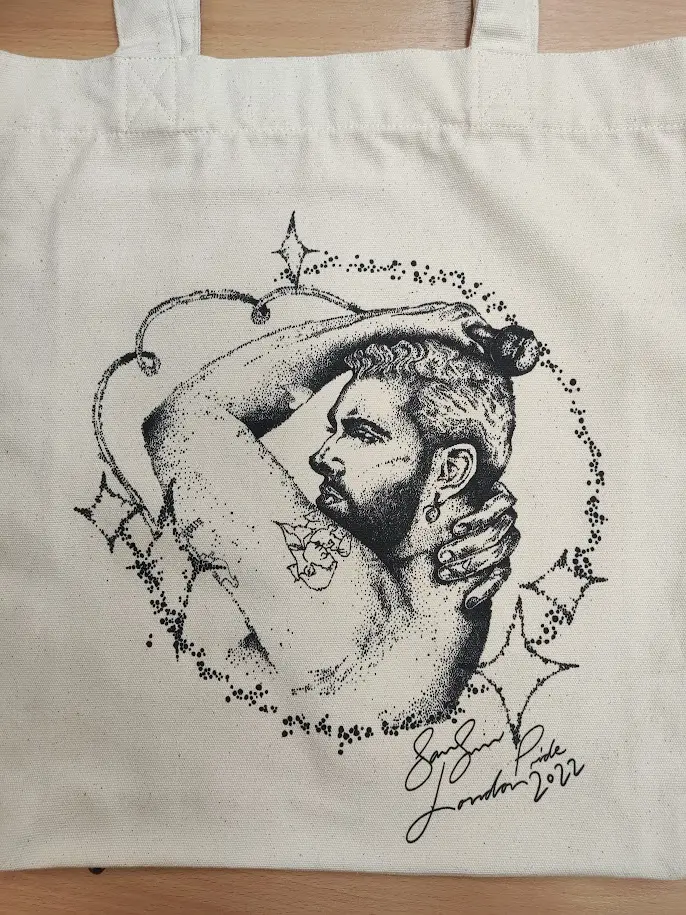
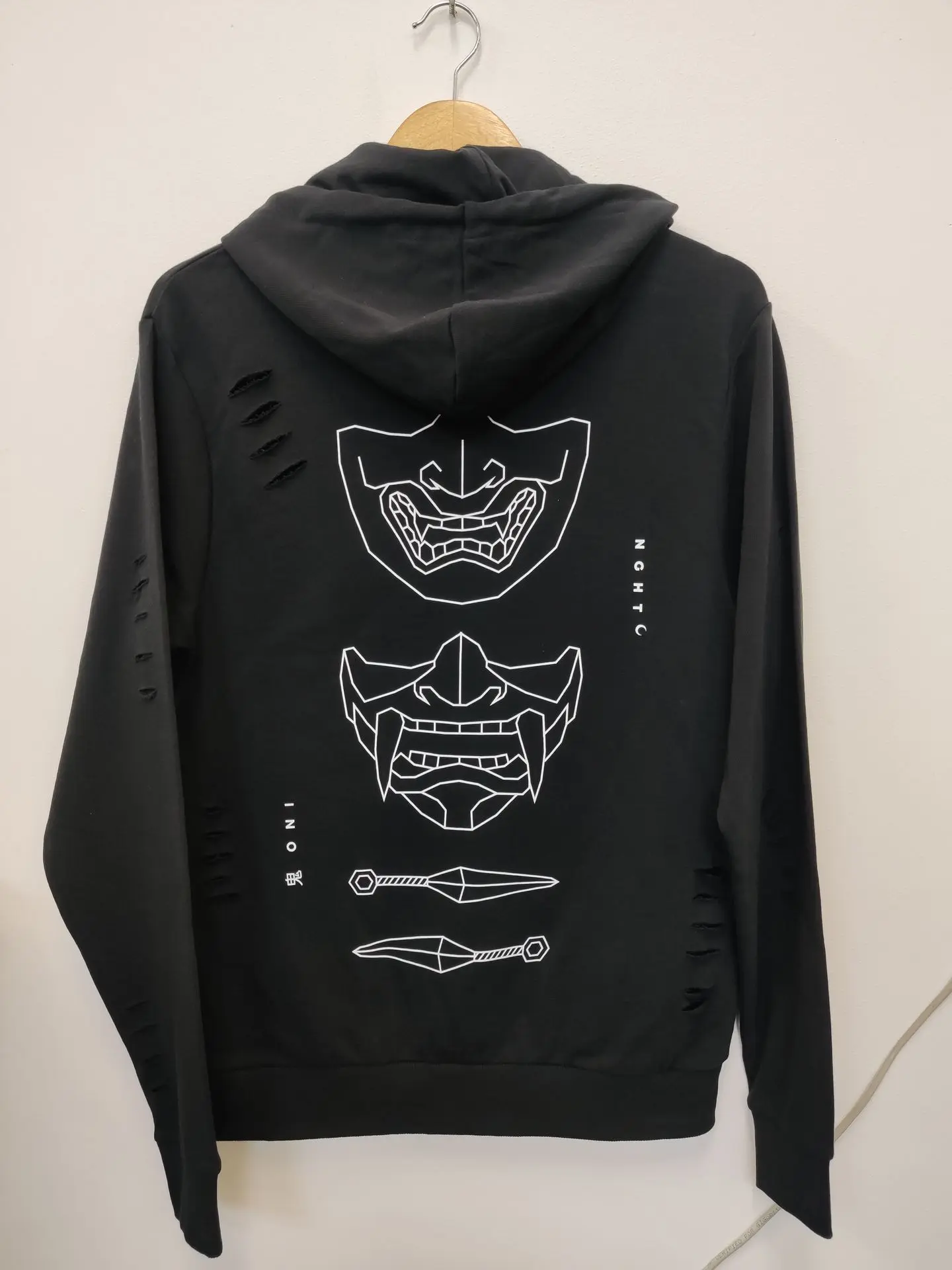
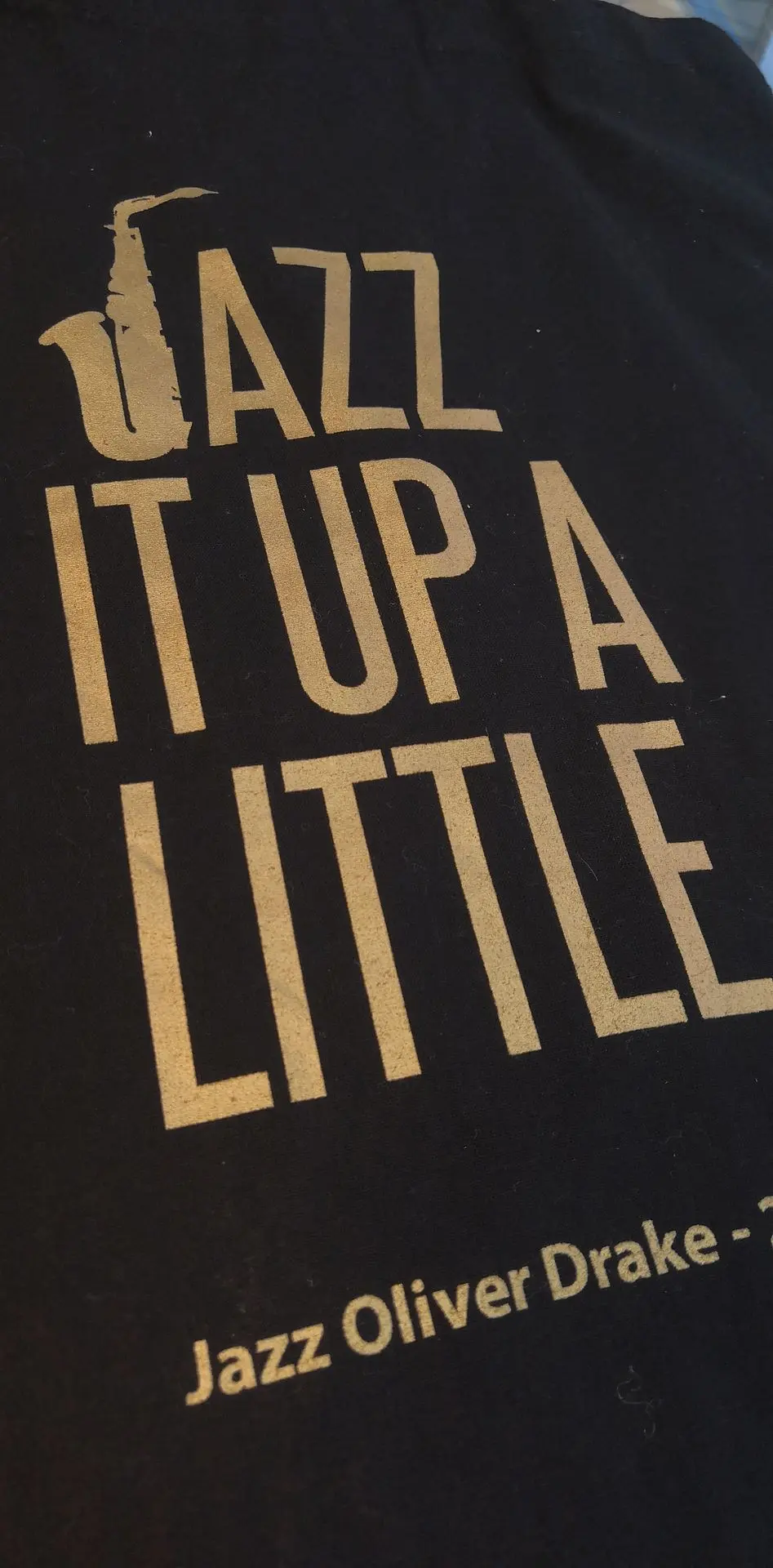
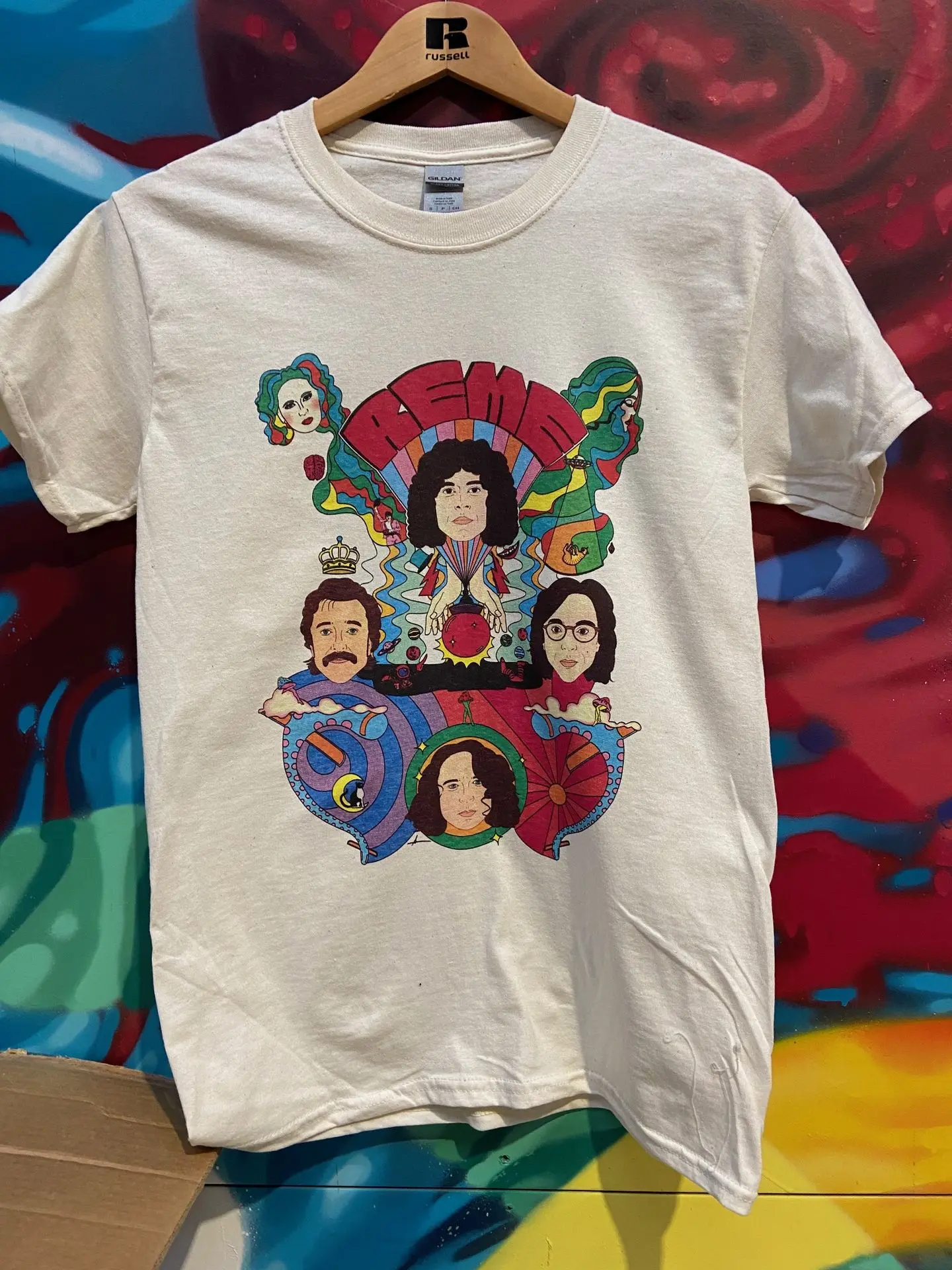
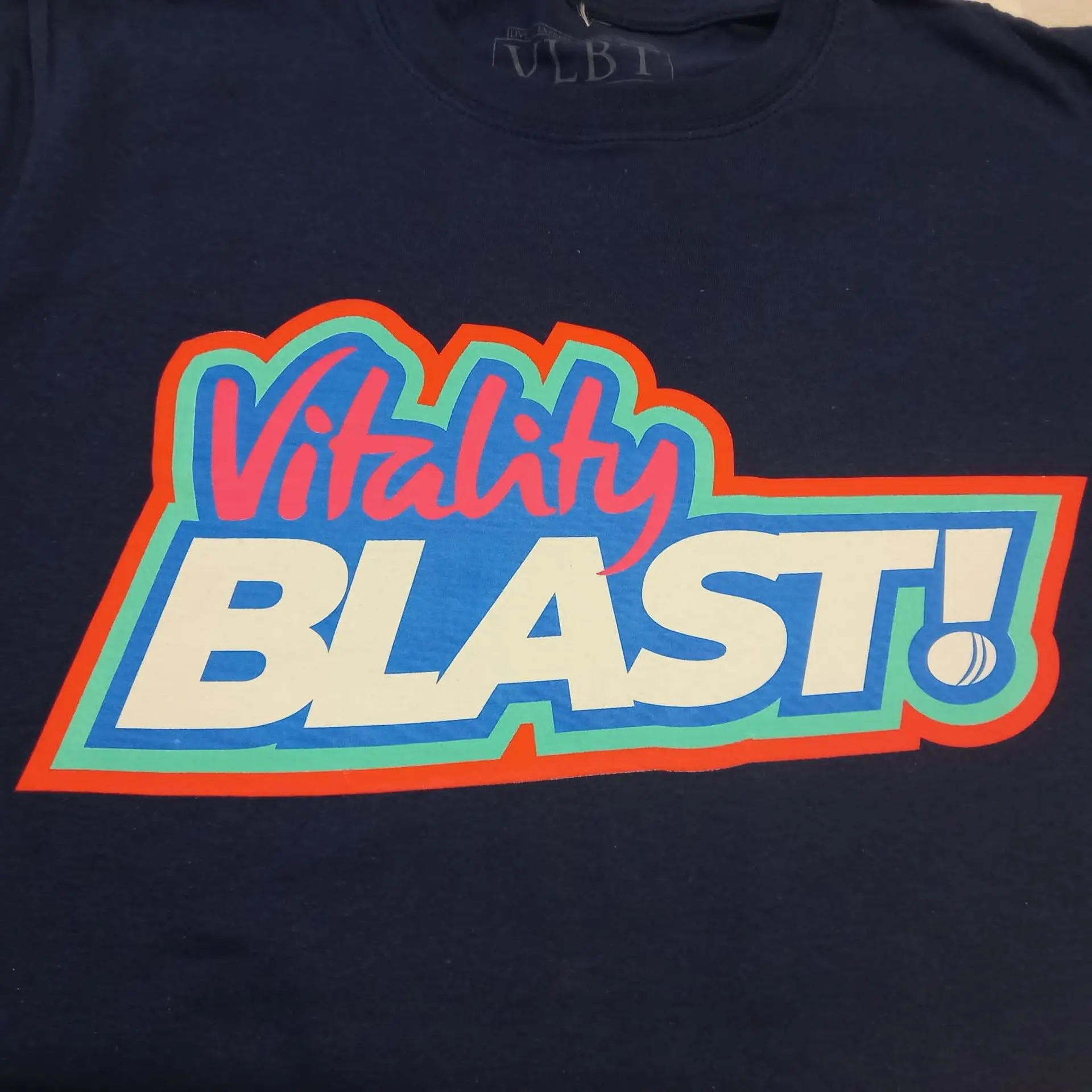
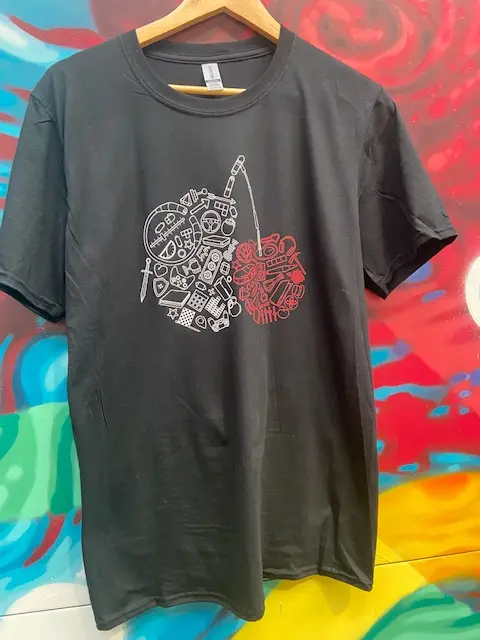
Our Silk Screen Printing Gallery
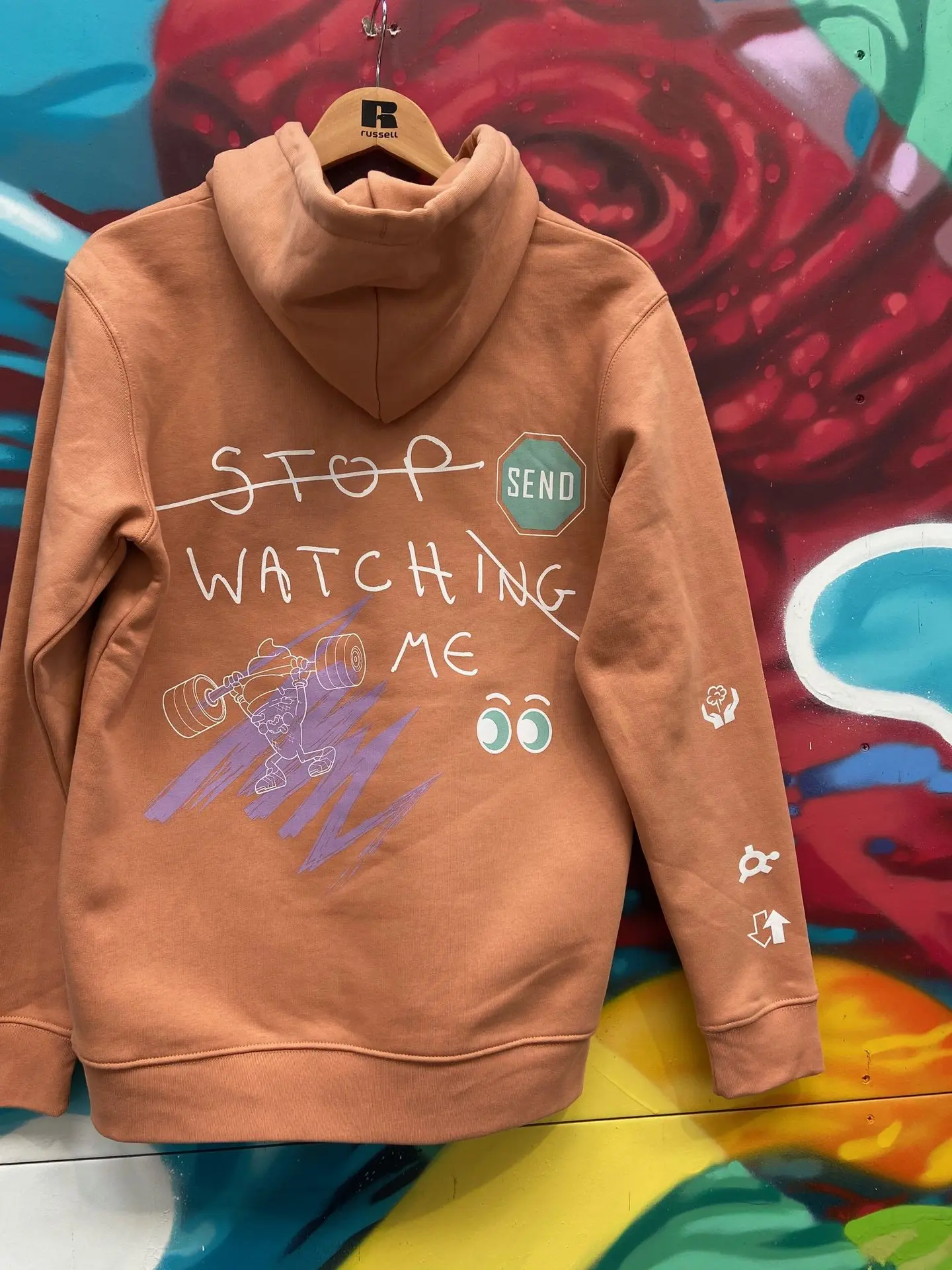
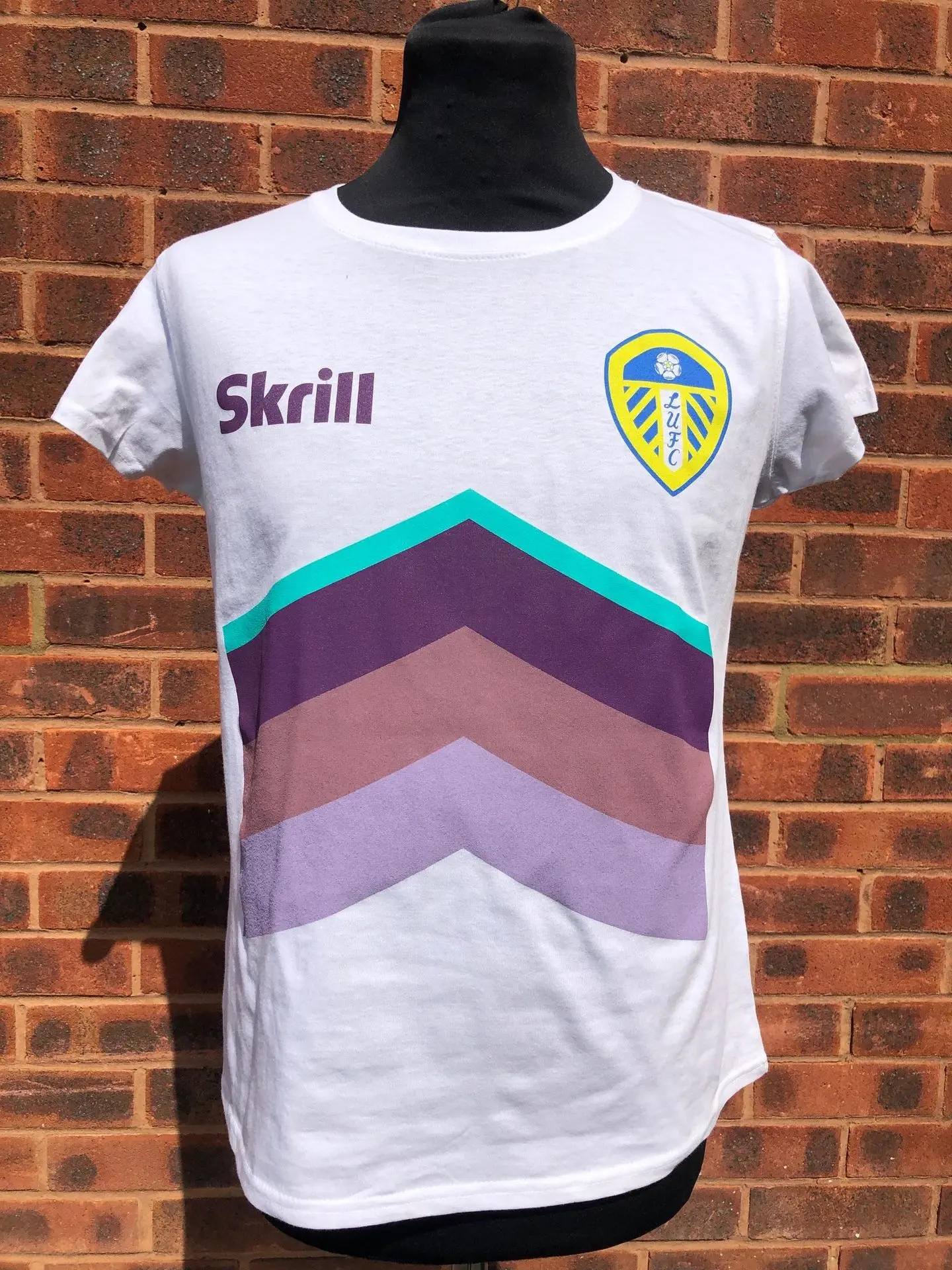
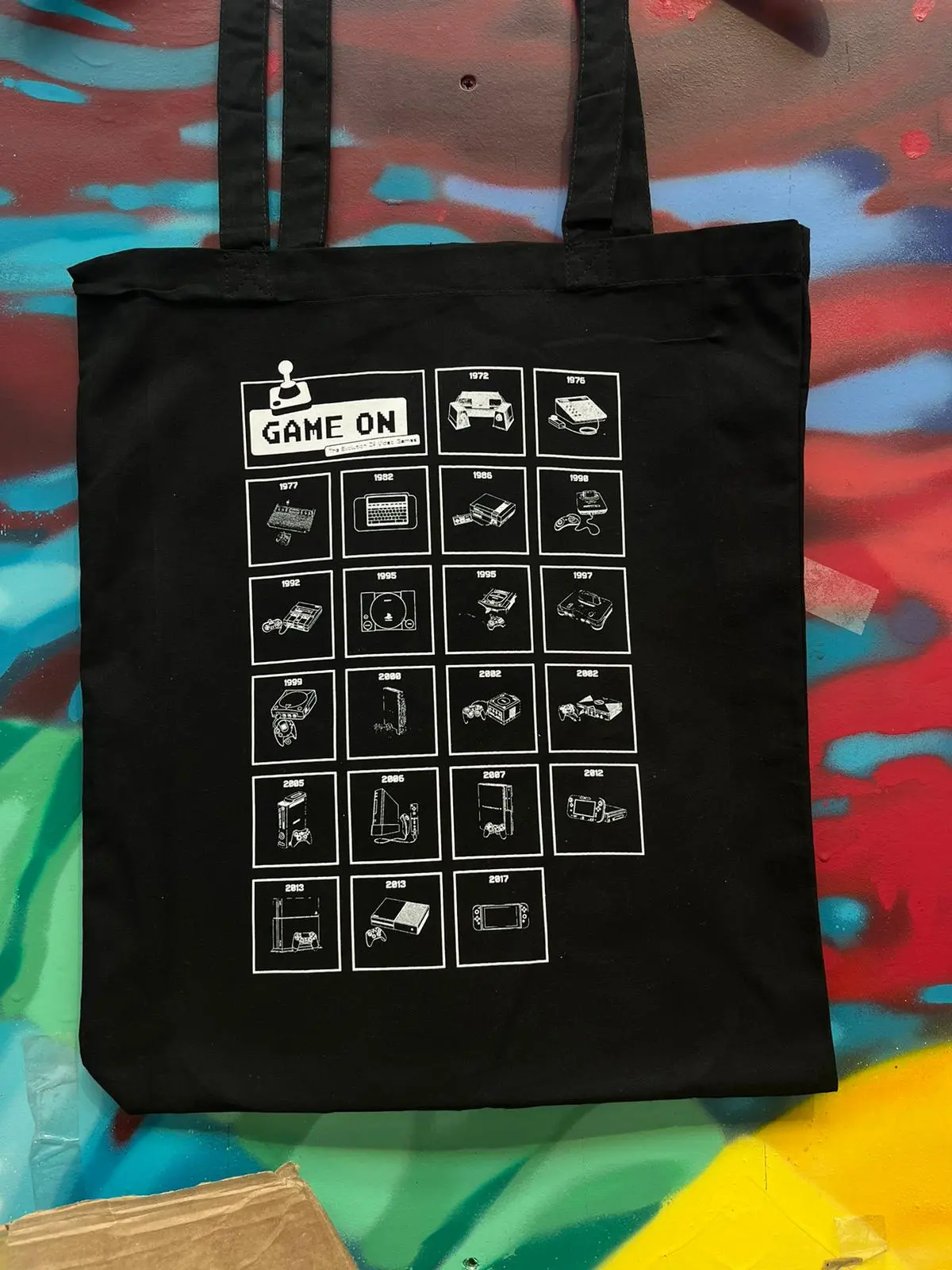
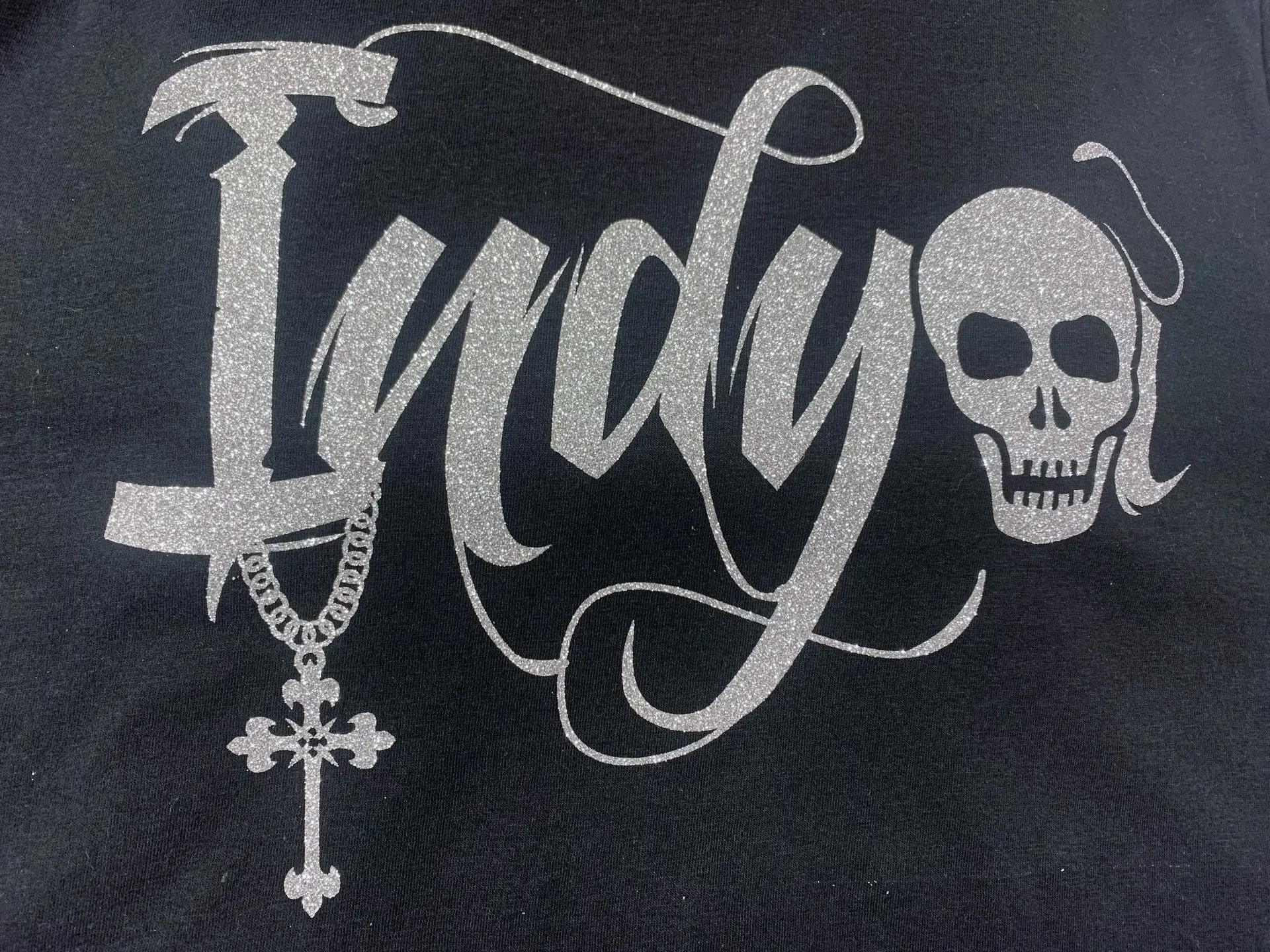
Your Order, Made Easy in 4 Steps

1. Tell us about your project needs
Share your requirements, quantities and deadlines with our team so we can recommend the best solution.
2. Expert advice & visual mock-ups
We recommend the best products and printing methods, then provide mock-ups for approval before production.

3. Production & Quality control
Your order is produced using professional printing and checked at every stage to ensure quality.
4. On-time delivery, every time
We deliver your order on time to offices, events and venues across the UK and worldwide.
Need Expert Advice?
Fill in the details below and our team will get back to you shortly.

Check Out Prices & Artwork Guidelines for our Printing Techniques
Explore printing prices and artwork guidelines — everything you need to get started with confidence, backed by expert support when you need it.
Printing Prices Artwork GuidelinesAdvanced Screen Printing Effects & Finishes - Screen Printing Techniques
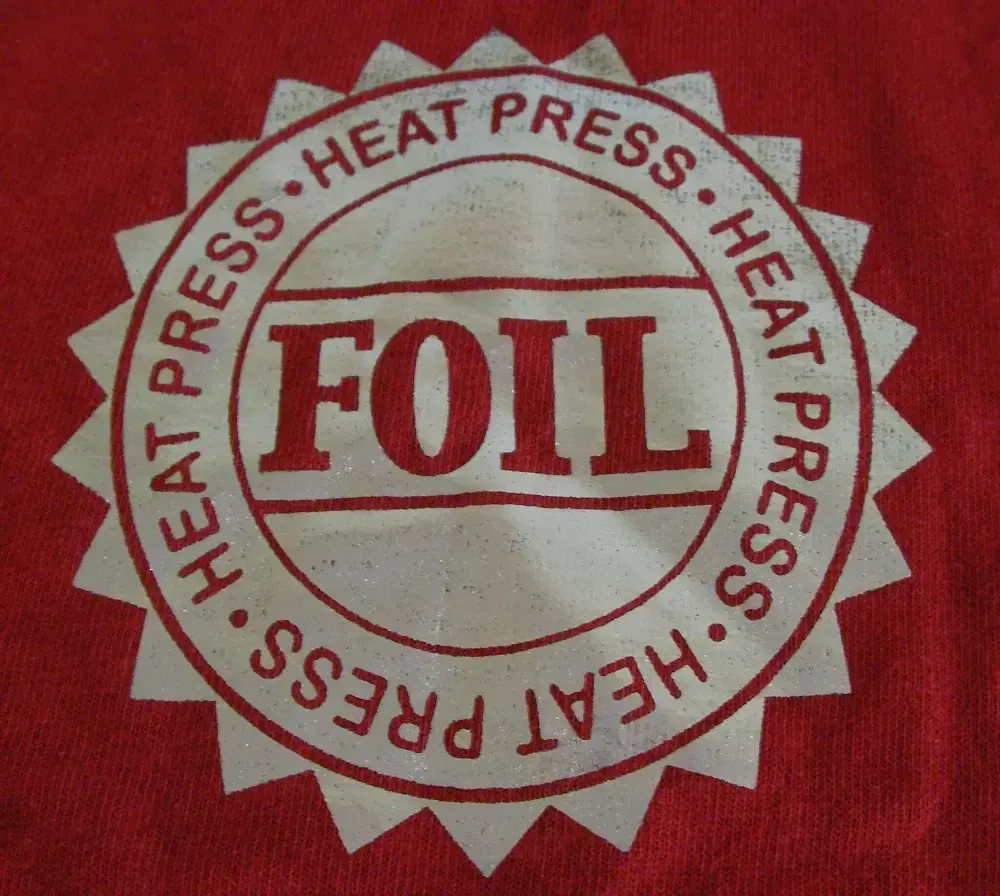
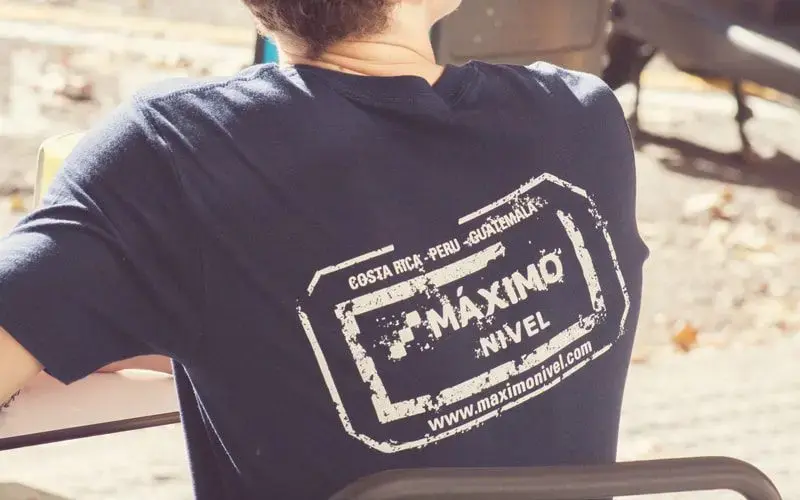
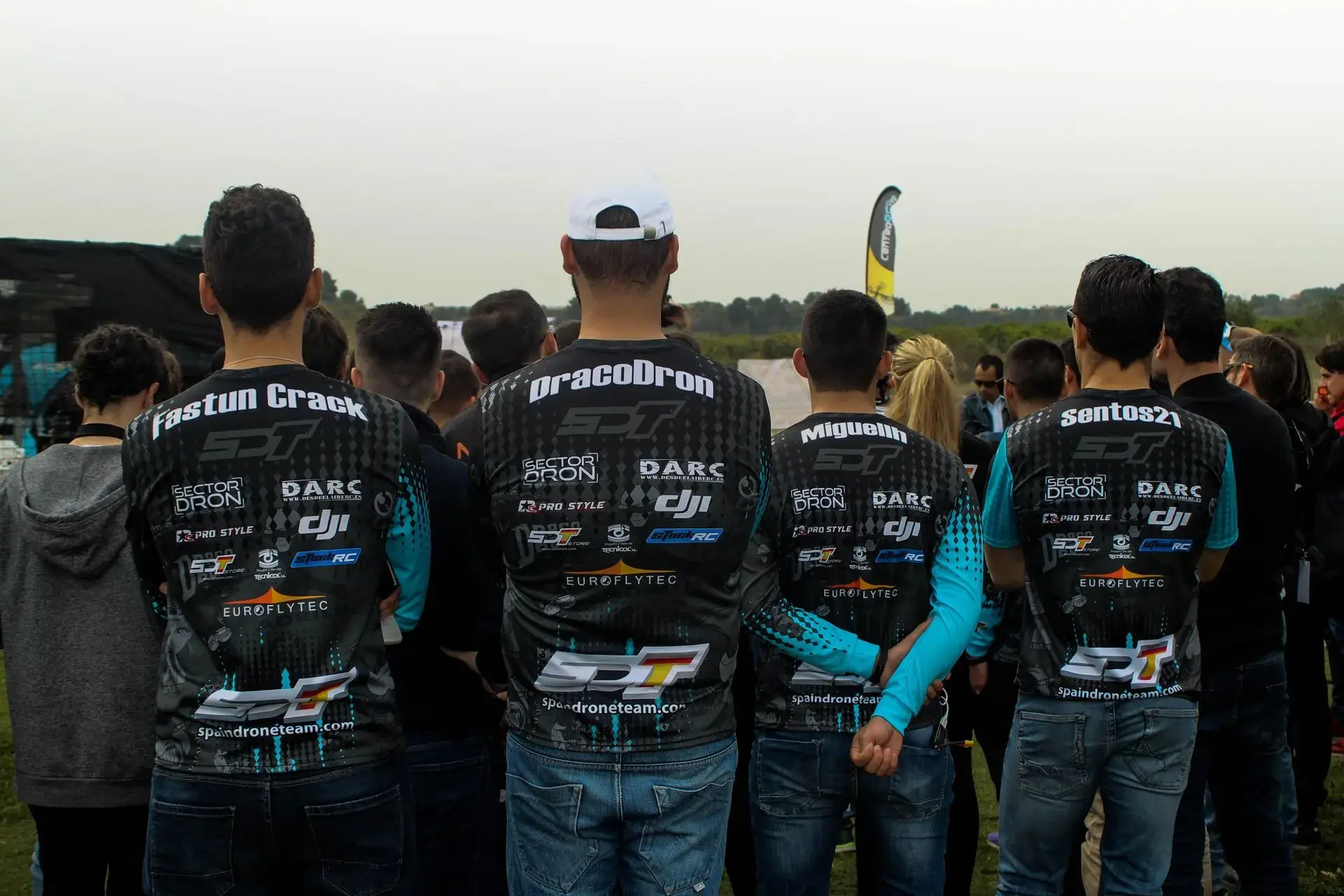
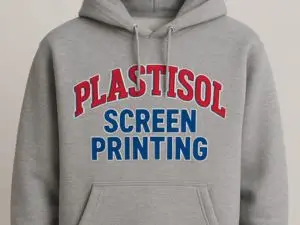
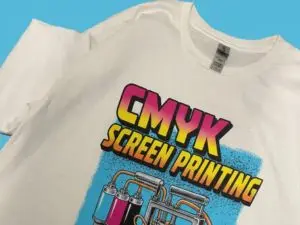
Our advanced screen printing effects and finishes create a wide range of visual and tactile results — from ultra-soft prints and subtle tonal designs to bold textures and eye-catching finishes.
Our team recommends the best approach based on your artwork, garment choice and brand goals, considering colour count, durability, feel and budget to achieve the best result for your project.

More Garment Printing Techniques Explained
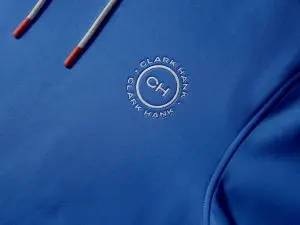
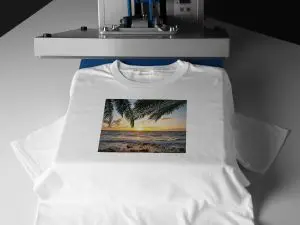
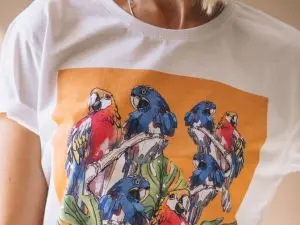
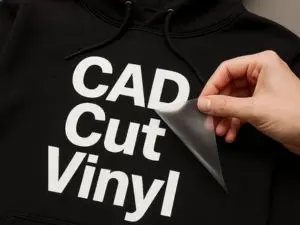
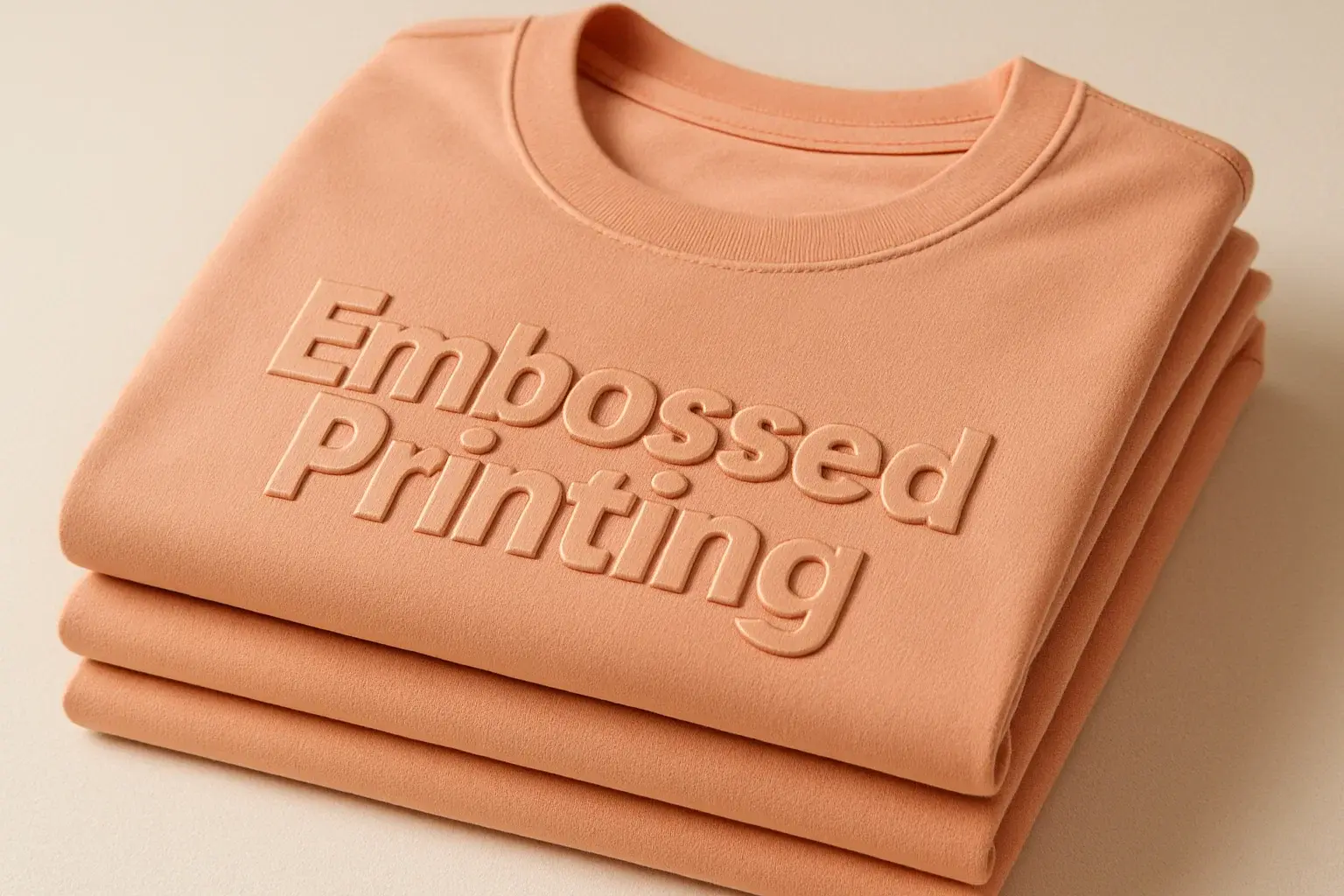
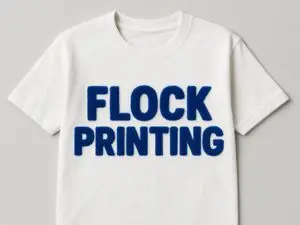
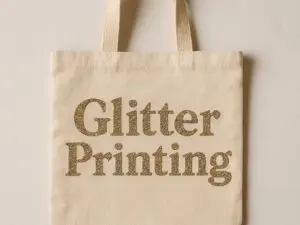
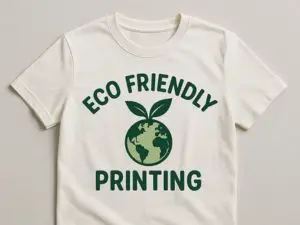
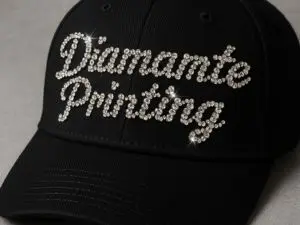
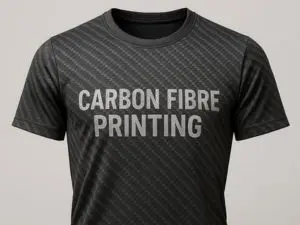
Looking for the best printing method for your design and garment choice? At Garment Printing, we offer a wide range of professional printing techniques to suit every style, budget and project requirement. Whether you need vibrant full-colour detail, fast turnaround or eco-friendly options, our team has the expertise to deliver. Explore the techniques below and find the right solution for your next project — we’re here to guide you every step of the way.
Frequently Asked Questions About Silk Screen Printing
Find quick answers to our most common questions about Silk Screen Printing
Silk screen printing (commonly known as screen printing) is a decoration method where ink is pushed through a mesh screen onto the garment to create bold, vibrant and long-lasting designs.
This technique works best on cotton and cotton-blend garments such as T-shirts, hoodies, sweatshirts, tote bags and promotional clothing.
Yes — silk screen prints are highly durable and resistant to fading, cracking and peeling when produced with professional inks and cured correctly.
It is generally more cost-effective for medium to large quantities, as screens need to be prepared for each colour. For very small runs, digital methods may be more economical.
It is ideal for bold graphics, logos and solid colour artwork. Very fine details or photographic images can be more challenging, especially with multiple colours.
Multiple colours can be used, but each colour requires a separate screen and setup, which can increase production time and cost.
High-quality screen printing can feel soft and smooth, although large solid designs may add slightly more texture depending on ink type.
Yes. With the use of underbase layers and specialised inks, bright and vibrant prints can be achieved on dark fabrics.
Lead times depend on artwork preparation, number of colours and order size, but once setup is complete, screen printing is very efficient for bulk production.
Wash garments inside out at around 30°C, avoid harsh detergents, do not iron directly on the print and air dry where possible to maintain print quality.

Let’s Talk About Your Next Project
At Garment Printing, we support you from product selection to production and delivery. Share your requirements and timelines, and our team will guide your project from start to finish.
Get a Fast Quote