Choosing the right printing method for custom apparel can be a complex decision, especially when weighing the options of direct to garment (DTG) and screen printing. Both techniques offer unique advantages and cater to different needs, making it essential to understand their core differences. This guide provides a comprehensive comparison of DTG and screen printing, covering everything from the underlying processes and quality considerations to cost implications and design capabilities, ensuring you can make an informed choice for your specific requirements.
What is DTG printing and how does it work
Direct to garment (DTG) printing is a modern textile decoration method that has transformed the custom apparel sector. For a comprehensive guide on the process, advantages, and considerations, you can learn more about what is DTG printing and how it works. It employs specialised inkjet technology to apply water-based inks directly onto fabric, producing detailed prints with precision.
Unlike methods where ink sits on the material's surface, DTG printing allows the ink to permeate the fibres, resulting in a softer feel.
The DTG printing process starts with garment pre-treatment, helping ink bond effectively with the fabric. The treated garment is placed on a platen inside the printer, where inkjet heads spray the design onto the material. This digital approach removes the need for screens or stencils, enabling the reproduction of complex artwork, photographs, and intricate designs with varied colours.
Direct to garment printing works well on 100% cotton, and technology has broadened compatibility to include cotton blends and other natural fibres. The printing process is quick, followed by a curing stage ensuring the ink sets for durability and wash resistance. This makes DTG a versatile option for businesses seeking detailed, full-colour prints on a variety of fabrics. Explore our Direct to Garment Printing services to see how we can bring your designs to life.
What is screen printing and the silk screen printing process
Screen printing, also known as silk screen printing, is a long-standing method for decorating textiles. To delve deeper into this technique, its history, process, and benefits, read our guide on what is screen printing and why choose it. This technique involves forcing ink through a fine mesh screen onto the material, creating durable prints, making it a favourite among commercial printers.
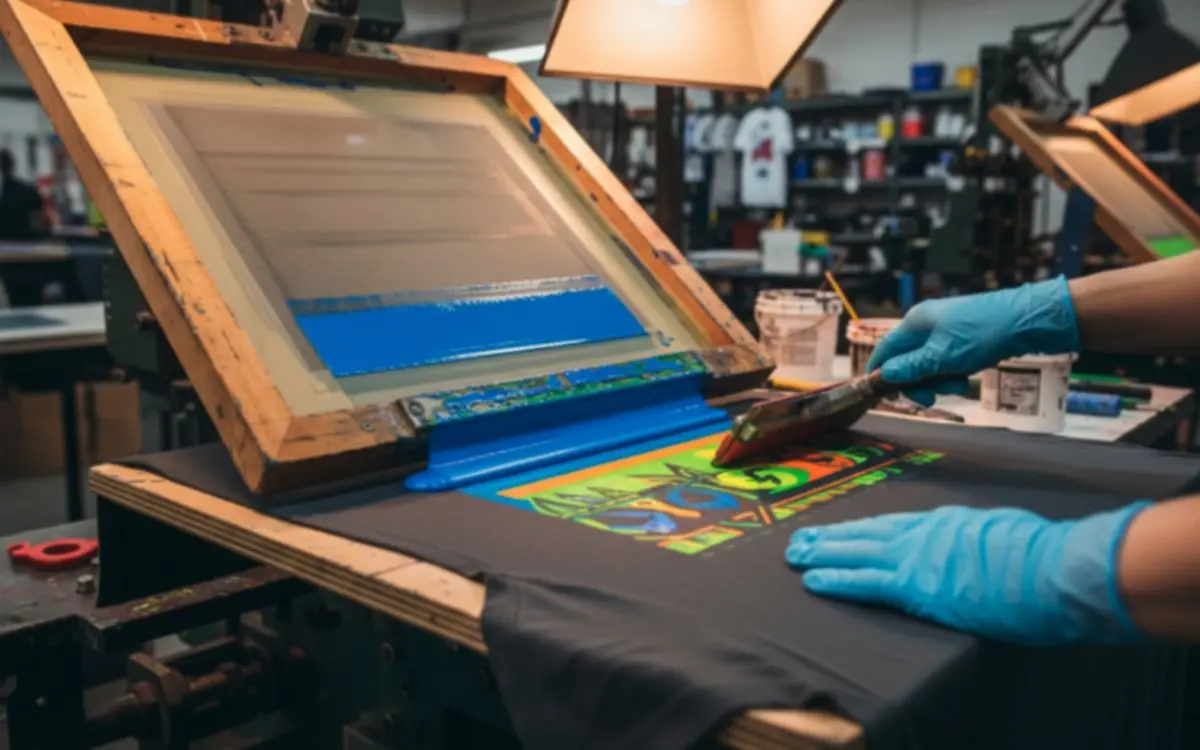
The screen printing process needs preparation and detail. Each colour in a design requires its own screen, prepared by coating a fine mesh with a light-sensitive emulsion. The design is transferred onto the screen using a photographic process, creating open areas for ink to pass through and blocked areas preventing ink flow. The screen is positioned over the garment, and a squeegee forces ink through the mesh.
Screen printing materials include mesh screens, squeegees, inks, and emulsion chemicals. Material quality impacts the final result, with professional equipment producing better prints. This method excels at creating bold designs with solid colours, effective for logos, text, and graphics needing consistent reproduction across quantities. Understanding the nuances of screen printing is crucial for achieving high-quality, durable prints, especially for large production runs. Discover our comprehensive Screen Printing services for your next project.
DTG printing vs screen printing - key differences explained
The main difference between DTG printing vs screen printing lies in ink application and design reproduction. Direct to garment printing sprays ink into fabric fibres, while screen printing applies ink layers onto the material through mesh screens.
Comparing DTG and screen printing, setup requirements differ. DTG printing needs minimal preparation, making it suitable for single items or small batches. Screen printing needs extensive setup, including screen preparation for each colour, making it labour-intensive initially but efficient for larger production runs.
The technological differences extend to design capabilities. DTG printing reproduces photographic images, gradients, and complex artwork with varied colours, while screen printing works best with bold designs featuring fewer colours. These strengths make each method suitable for different projects and business models. The choice between DTG printing vs screen printing hinges on these key distinctions, influencing both the final product and the overall cost-effectiveness.
Quality and durability comparison

Print quality and longevity are crucial when selecting printing methods. Screen printing quality creates a thicker ink deposit, resulting in vibrant colours and durability. Screen printing designs can withstand many washes while maintaining their appearance, making them suitable for workwear, uniforms, and promotional items needing durability.
DTG printing quality has improved, capable of producing detailed images with colour transitions. The thinner ink application means these prints may show wear sooner than screen printed alternatives. DTG prints maintain their quality for 50-75 washes when cared for, satisfying consumer expectations for apparel.
The durability comparison depends on application and care. Screen printing offers longevity for simple designs, while DTG printing provides detailed reproduction for artwork. Both methods produce results when executed with materials and techniques. Ultimately, understanding these trade-offs is essential for meeting specific quality and durability requirements.
Cost analysis - DTG printing cost vs screen printing cost
Understanding the financial implications requires examining setup costs and per-unit expenses. Screen printing cost involves upfront investment in screen preparation, with each colour needing a separate screen. This cost can range from £20-50 per screen, expensive for small orders but economical as quantities increase.
DTG printing cost eliminates setup costs, as designs are printed from digital files without screens or stencils. This makes DTG printing cost-effective for small orders and on-demand production. However, the per-unit cost remains constant, which can make large orders more expensive than screen printing.
The break-even point typically occurs around 50-100 pieces, depending on design complexity and pricing. For orders below this, DTG printing offers better value, while screen printing becomes more economical for larger quantities. When comparing costs, businesses must consider their order sizes and production requirements. A thorough cost analysis ensures the most financially sound printing choice.
Design complexity and colour capabilities
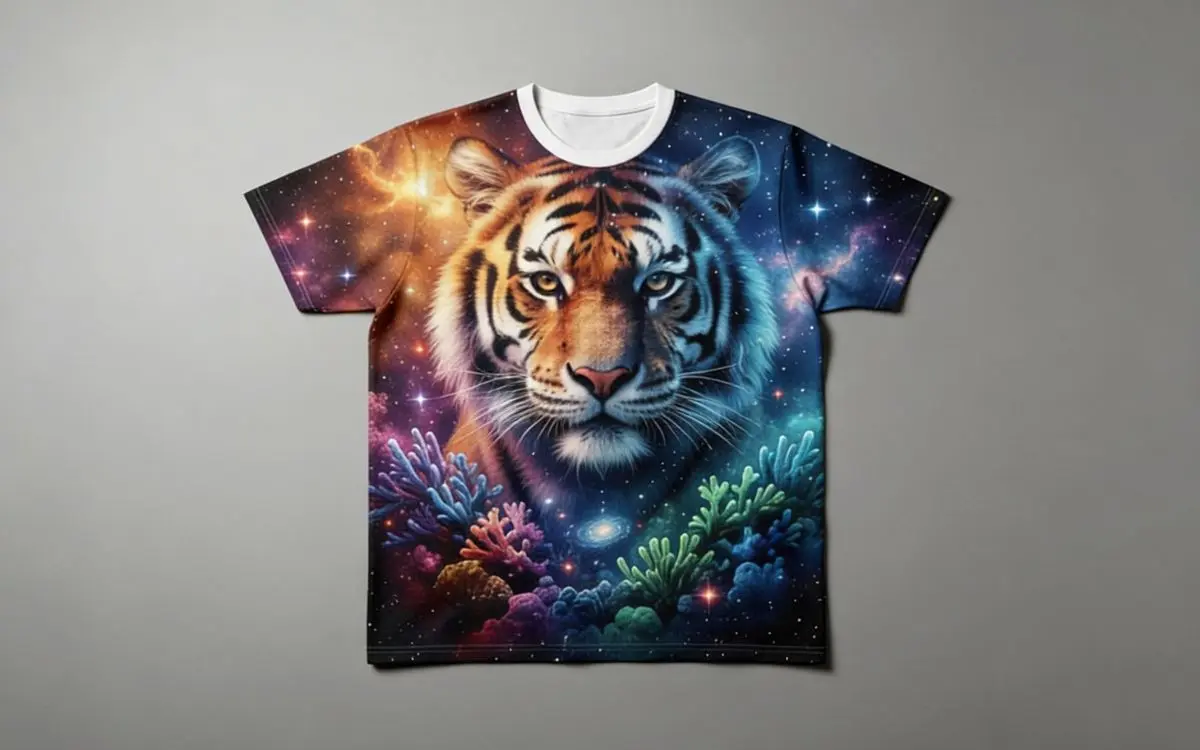
The choice between garment printing methods depends on the complexity and colour requirements of the design. DTG printing reproduces artwork, photographs, and designs with varied colour palettes. This approach handles gradients, details, and images that would be expensive to achieve through screen printing.
Screen printing demonstrates its strength with bold designs featuring solid colours and lines. While it can accommodate colours, each increases setup time and costs. This method produces results for logos, text, and graphic designs with colour separations, making it suitable for branding and materials.
Modern techniques have evolved to serve market segments based on these capabilities. Businesses needing designs favour DTG printing, while those focusing on graphics choose screen printing for its colour vibrancy and cost-effectiveness in quantities. Therefore, design complexity and colour needs are pivotal in determining the optimal printing method.
Best printing method for t shirts - when to choose each technique
Selecting the best printing method for t shirts requires consideration of factors including design requirements, order quantities, and business objectives. DTG printing is the choice for small orders and artwork needing colours or detail. This method suits businesses offering apparel, designs, or on demand services.
Screen printing proves effective for large orders featuring designs with colours. The method favours this when durability and colour vibrancy are priorities, especially for items, team uniforms, and apparel that will see use. The investment in screen preparation pays when producing items.
The best printing method for t shirts also depends on fabric and timeline requirements. DTG printing works on 100% cotton garments and can be completed quickly, while screen printing accommodates fabric types and provides results for production. Understanding these trade-offs helps businesses align their printing choice with market needs and capabilities. By carefully evaluating these factors, businesses can select the printing method that best aligns with their specific needs and goals.
Production volume and turnaround time considerations

Production efficiency varies between garment printing methods, with each offering advantages depending on order characteristics. DTG printing process provides flexibility for small batches and orders, as the process eliminates setup time and allows production. This makes it suitable for businesses needing turnaround times or those serving customers who need items within days.
The screen printing process requires preparation, particularly for designs needing screens. Once setup is complete, screen printing becomes efficient for production runs. The ability to print garments simultaneously using systems makes this method for orders where speed and consistency are essential.
Modern DTG printing process have streamlined workflows, enabling completion for orders. This rapid capability has made DTG printing attractive to e-commerce businesses and print-on-demand services. Screen printing typically requires 1-2 weeks for completion but can handle volumes efficiently once production begins. Therefore, production volume and turnaround time are critical factors in determining the most suitable printing method.
Making the right choice for your business
The decision between DTG printing vs screen printing depends on your business model, market, and priorities. Companies focusing on apparel or markets often find DTG printing aligns better with their needs due to its flexibility and order requirements. This method enables businesses to offer product catalogues without maintaining inventories.
Businesses with demand patterns and order volumes benefit from screen printing's economies of scale. The best printing method for t shirts in this context provides unit economics for orders while delivering the durability and colour vibrancy that customers expect. This approach works for product companies, uniform suppliers, and businesses serving clients.
Printing businesses often employ both methods, using DTG printing for orders and screen printing for designs. This approach maximises efficiency while serving customer needs. The key lies in understanding your market demands, analysing order patterns, and selecting the method that supports your business objectives and plans.