Understanding t-shirt printing methods - types of print on t shirt techniques
Selecting the right t-shirt printing method can be challenging, with options ranging from time honoured techniques to advanced digital solutions. To gain a comprehensive overview of all available printing techniques, understanding their distinct advantages and suitability for different project requirements is crucial. Factors like design complexity, production volume, and budget all influence the desired aesthetic and functional outcomes.
When exploring different types of print on t shirt, it's essential to understand that each method operates on distinct principles. If you're looking for 10 ways to create custom T-shirts, you'll find that some techniques apply ink directly onto fabric fibres, while others use heat to transfer designs from intermediate materials. The choice between approaches depends on factors like design complexity, production quantity, budget, and garment characteristics.
Understanding these fundamental differences helps ensure you select the most appropriate fabric printing methods for your particular project, whether you're creating custom merchandise for a small business, producing team uniforms, or developing a full clothing line. Next, we'll examine sublimation printing, a method known for its vibrant, full-coverage designs on synthetic fabrics.
Sublimation printing - vibrant colours for synthetic fabrics
Sublimation printing is a sophisticated method, particularly known for producing vibrant, full coverage designs on synthetic materials. The process begins with printing your design onto special transfer paper using sublimation inks, which contain dyes that transition directly from solid to gas when heated.
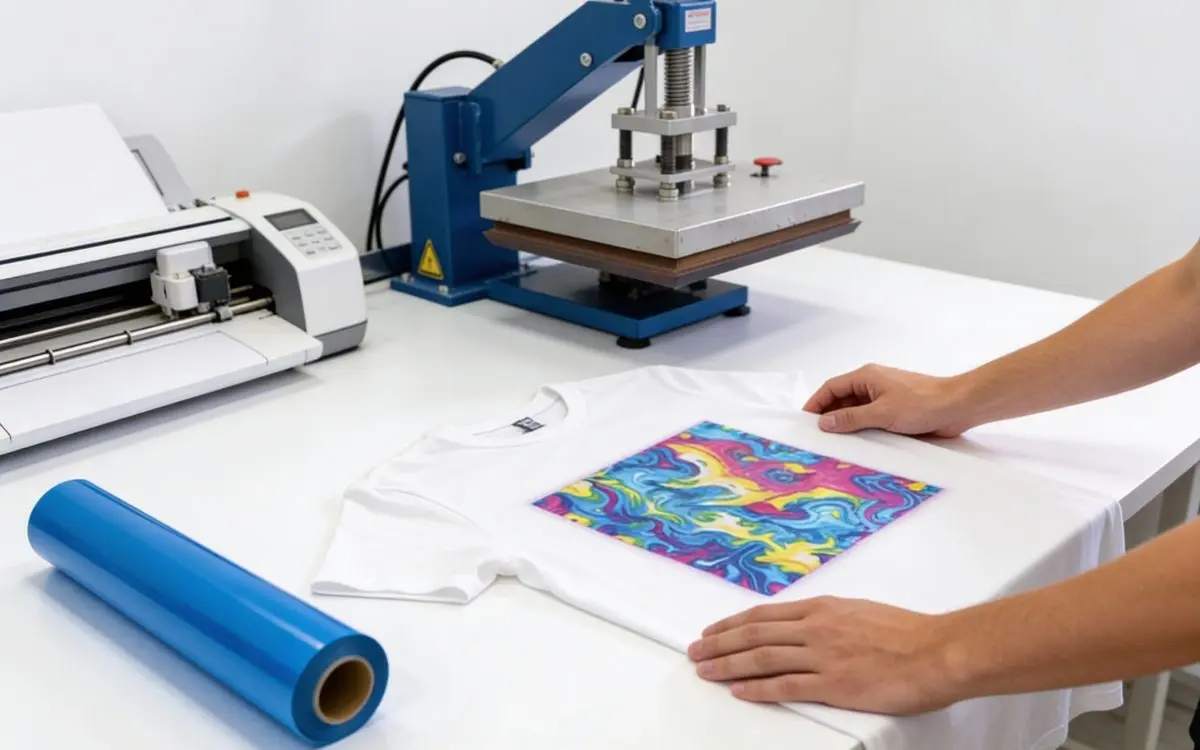
The key to sublimation lies in the heat application phase. When the printed transfer paper is placed against the garment and subjected to high temperature and pressure, the solid dye particles transform into gas and penetrate deep into the synthetic fibres. As the material cools, these gases solidify again, becoming permanently embedded within the fabric structure rather than sitting on the surface.
This bonding process creates prints that are durable and resistant to fading, cracking, or peeling. The colours remain vibrant even after numerous washes because the dyes have become part of the fabric itself. Sublimation printing works particularly well on polyester garments, where the synthetic fibres readily accept and hold the dyes, resulting in brilliant colour reproduction and wash fastness.
One compelling advantage is its ability to cover the entire garment surface seamlessly. Unlike other techniques limited to specific print areas, sublimation can create edge-to-edge designs that wrap around seams and cover every inch of the fabric. This makes it ideal for striking all-over prints, complex patterns, and designs requiring precise colour gradients or photographic detail.
However, sublimation has specific fabric requirements. It works best on white or light-coloured polyester garments, as the synthetic fibres are necessary for proper dye absorption. Cotton and other natural fibres don't accept sublimation dyes effectively, resulting in dull or washed-out colours that may not withstand regular laundering.
While sublimation excels with synthetic fabrics, silk screen printing offers a robust solution for bulk production, particularly on cotton and other natural fibres. Let's explore this traditional method and its enduring appeal.
Silk screen printing - the traditional bulk production method
Silk screen printing is a cornerstone of commercial garment decoration, having evolved from ancient stencilling techniques into a refined production method. This process involves creating a stencil, or screen, for each colour in your design, then using a squeegee to push specially formulated inks through the mesh openings onto the fabric below.
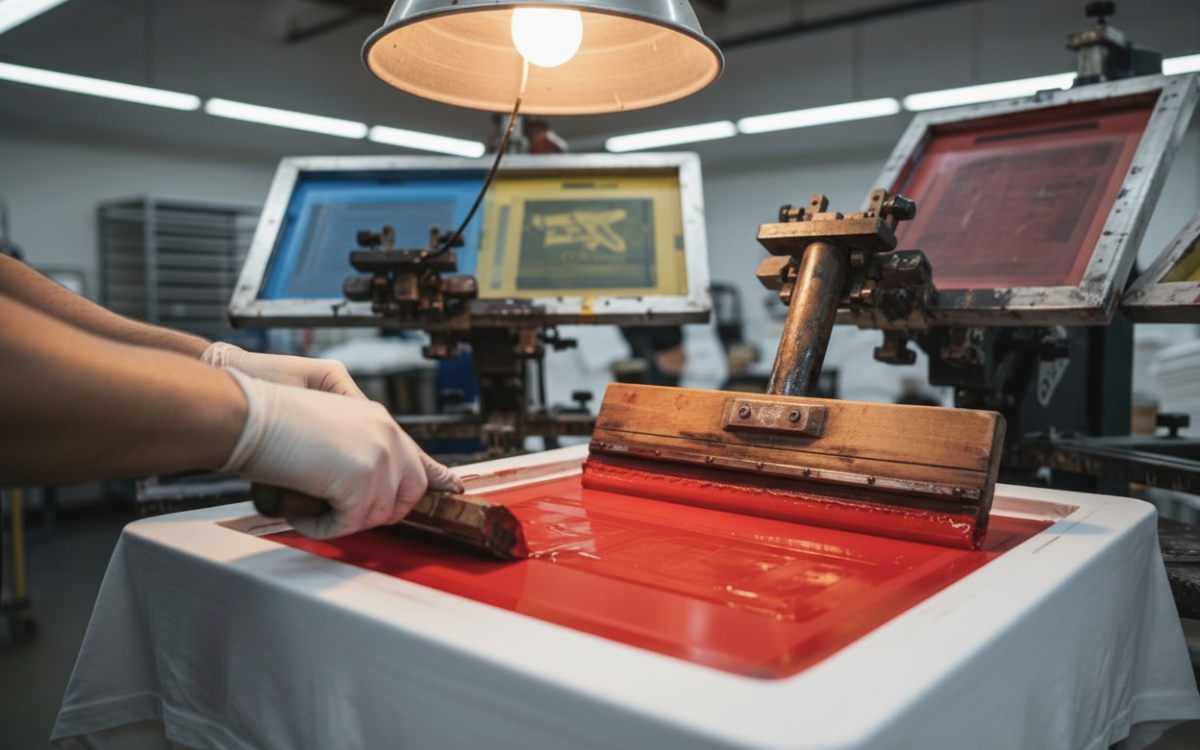
The strength of silk screen printing lies in its use of thick, pigment-rich inks that create bold, opaque prints with exceptional colour saturation. These inks penetrate deeply into the fabric fibres, creating a bond that can withstand countless washes without significant fading or deterioration. The resulting prints often have a slight texture that many associate with quality.
When considering screen printing vs heat transfer methods, silk screen printing consistently demonstrates longevity and colour vibrancy, particularly for designs with solid colour areas. The thick ink deposits create prints that maintain their appearance even on dark-coloured garments, where other printing techniques might struggle to achieve adequate opacity.
This method shines in large-quantity production. Once the screens are prepared and the printing press is set up, the printing process becomes efficient. A skilled operator can produce hundreds of garments per hour, making silk screen printing cost-effective for orders ranging from dozens to thousands of pieces. The per-unit cost decreases as order quantities increase, which is why many commercial printers recommend minimum orders of 24-50 pieces to make the setup costs worthwhile.
However, silk screen printing has limitations that affect its suitability for certain projects. Each colour in your design requires a separate screen, which increases both setup time and costs for multi colour designs. Complex designs with many colours or photographic elements can become expensive. Additionally, the print area is typically limited to specific zones on the garment, making all-over prints impractical with traditional silk screen printing equipment.
For intricate, multi-coloured designs where silk screen printing falls short, direct to garment printing (DTG) offers a streamlined solution. Let's delve into how DTG simplifies the creation of detailed designs.
Direct to garment printing - detailed designs made simple
Direct to garment printing (DTG) has transformed the custom apparel industry by bringing desktop printing technology to fabric decoration. For an in-depth guide to DTG printing, this method uses specialised inkjet printers that apply water-based inks directly onto garment fibres, similar to how a standard office printer applies ink to paper, but modified to handle the three-dimensional nature and varying textures of clothing. These water-based inks also contribute to eco-friendly printing options, making DTG a more sustainable choice for many projects.
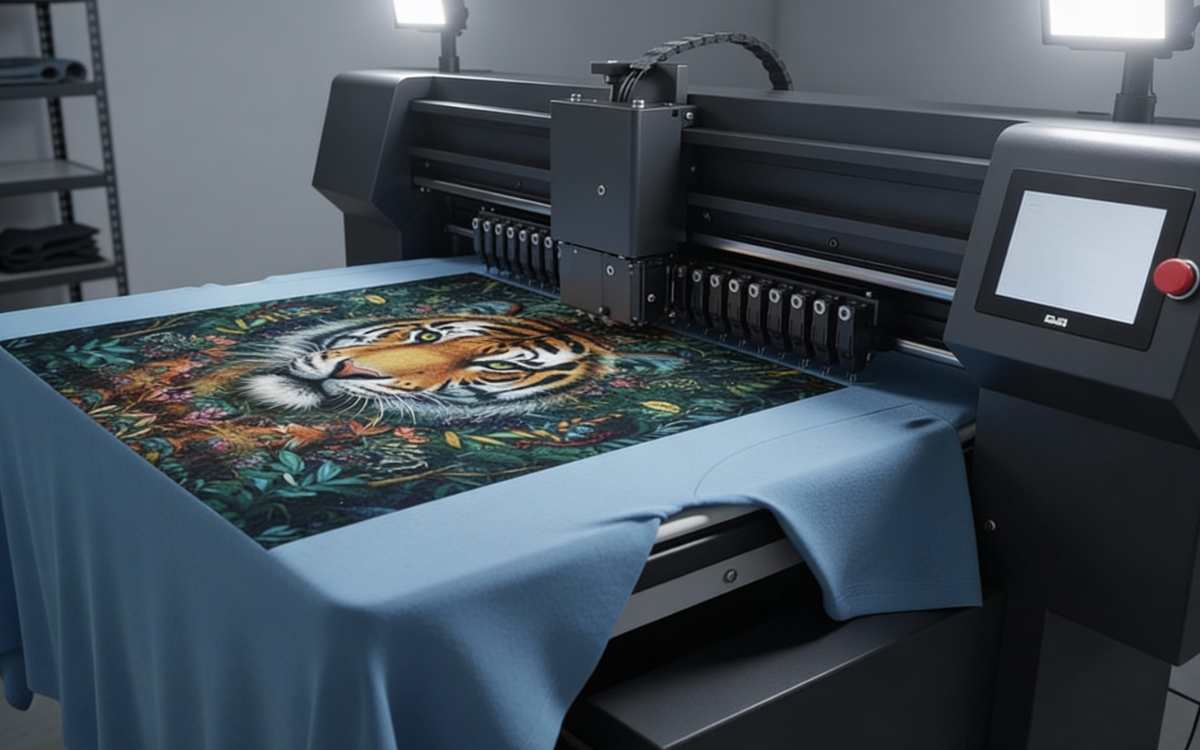
The primary advantage of direct to garment printing lies in its ability to reproduce complex, multi coloured designs with photographic detail. Unlike other methods that may struggle with colour gradients, fine details, or designs containing dozens of colours, DTG can handle virtually any digital image with fidelity. This makes it valuable for reproducing artwork, photographs, or intricate illustrations that would be impossible or expensive with silk screen printing.
Economically, direct to garment printing excels in small-quantity production runs. There are no screens to create, no colour separations to prepare, and minimal setup time required. This makes it cost-effective even for single-piece orders, opening up possibilities for personalised gifts, prototype development, or small-batch custom merchandise that wouldn't be viable with other methods.
The DTG process typically begins with pre-treating the garment, particularly when printing on dark coloured fabrics. This pre-treatment solution helps the inks adhere properly and prevents them from soaking too deeply into the fabric, ensuring crisp print quality and colour reproduction. After printing, the garment is cured using heat to set the inks permanently.
DTG works best on 100% cotton garments or cotton-rich blends, where the natural fibres readily absorb the water-based inks. The resulting prints have a soft feel, meaning they don't add significant thickness or stiffness to the fabric. However, this softness can sometimes affect durability, as DTG prints may show signs of fading or washing out more quickly than screen-printed designs, particularly if not properly cured or if lower-quality inks are used.
While DTG excels at detailed, multi-coloured designs, vinyl printing t shirts offers a different approach, focusing on precision and durability for simpler graphics. Let's explore how vinyl printing achieves bold results.
Vinyl printing t shirts - precision cutting for bold graphics
Vinyl printing t shirts offers precision for creating bold, professional-looking designs, particularly those involving text, numbers, or simple graphics with clean lines. This method begins with computer controlled cutting machines that precisely cut designs from coloured vinyl sheets, creating perfect letterforms and shapes difficult to achieve otherwise.
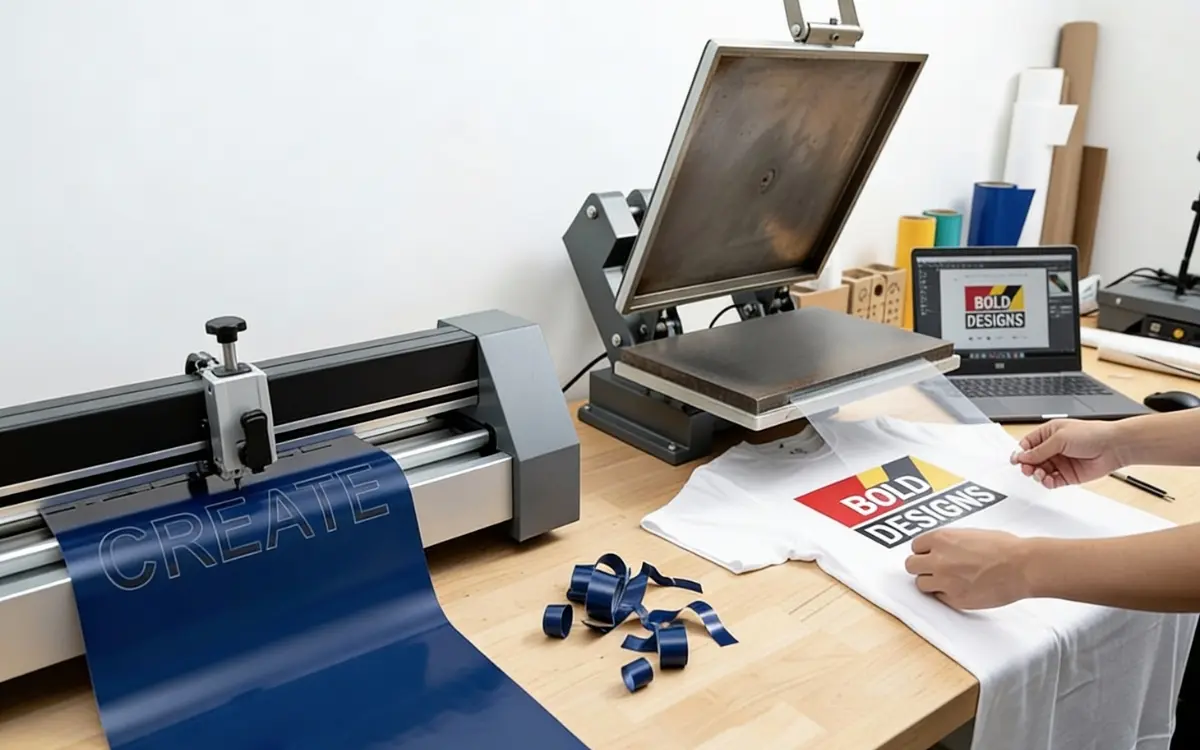
The process involves steps that ensure results. First, your design is loaded into cutting software that controls a sharp blade as it traces the design outline through the vinyl material. The excess vinyl is then removed, leaving only the design elements on a carrier sheet. This cut vinyl is positioned on the garment and applied using a heat press printing, which activates the adhesive backing and bonds the vinyl permanently to the fabric.
Vinyl printing t shirts excels in applications requiring durability and precision, such as sports team uniforms, work wear, or promotional apparel, where text and logos need to remain crisp and legible even after extensive use and washing. The vinyl materials used are engineered to withstand repeated laundering, stretching, and general wear without cracking, peeling, or fading.
This technique offers versatility in terms of fabric compatibility. Unlike some methods that work best on specific fabric types, vinyl can be applied to cotton, polyester, blends, and even speciality fabrics like performance wear or canvas. The heat and pressure application process creates a strong mechanical bond that works across different textile compositions.
However, vinyl printing t shirts is best suited for designs with limited colour counts and relatively simple shapes. Each colour requires a separate piece of vinyl, and complex designs with many colours can become time-consuming to cut and apply. Additionally, the vinyl adds a slight thickness to the fabric, which may affect the drape and feel of the garment, particularly in areas with multiple vinyl layers or large solid coverage areas.
Beyond the precision of vinyl, transfer printing offers a range of versatile heat press printing techniques. Let's examine the different types of transfer printing and their ideal uses.
Transfer printing - versatile heat application techniques
Transfer printing includes a family of techniques that share the principle of creating designs on intermediate materials before transferring them to garments using heat and pressure. This approach offers advantages in terms of production flexibility, design complexity, and the ability to achieve special effects difficult with direct printing methods.
The versatility of transfer printing becomes apparent when examining the types available. Plastisol transfers involve silk screen printing designs onto release paper using special inks that remain workable until activated by heat. Digital transfers use inkjet or laser printing technology to create full colour designs on transfer papers. Sublimation transfers, as discussed earlier, use dyes that gasify when heated. Each type offers advantages depending on your project's requirements.
One advantage of heat press printing through transfers is the ability to inventory designs without committing to specific garment colours or sizes. Transfers can be produced in advance and stored until needed, then applied to garments as orders are received. This reduces waste, minimises inventory requirements, and allows for quick turnaround times on custom orders.
When weighing screen printing vs heat transfer methods, transfers often prove better for short runs, complex designs, or situations requiring quick turnaround times. The setup time for transfer production is typically shorter than silk screen printing setup, and there's no need for extensive cleanup between jobs. This makes transfers valuable for custom decoration businesses that handle many small orders with varying designs.
Transfer printing also enables special effects difficult to achieve with direct printing methods. Metallic finishes, textured surfaces, reflective materials, and glow-in-the-dark effects are readily available in transfer form. These speciality materials can add value to custom apparel and help create unique products that stand out.
While printing offers a wide array of options, embroidery provides a distinct alternative, using thread to create textured designs. Let's compare embroidery vs printing to understand when to choose one over the other.
Embroidery vs printing - choosing between thread and ink
The choice between embroidery vs printing represents a fundamental decision in garment decoration, as these methods create different aesthetic and tactile experiences. Embroidery uses thread to create raised, textured designs that add dimension and a premium feel to garments, while printing methods apply inks or dyes to create flat designs that can range from simple graphics to complex photographic reproductions.
Embroidery works well where a sophisticated, professional appearance is paramount. Corporate logos, team emblems, and monograms often benefit from the three-dimensional quality and perceived value that embroidery provides. The texture created by embroidered designs catches light differently than printed graphics, creating visual interest and a tactile quality that many customers associate with higher-end merchandise.
From a durability standpoint, quality embroidery often outlasts most fabric printing methods. The thread used in embroidery is typically more resistant to fading than inks or dyes, and the mechanical attachment of thread to fabric creates a bond that can withstand washing and wear. However, embroidery has limitations in terms of design complexity, as fine details may be lost when translated to thread, and colour blending is more challenging than with printing methods.
Different methods offer advantages depending on your needs. Printing works well when designs require fine detail, photographic reproduction, or large coverage areas. The ability to reproduce complex graphics, gradients, and unlimited colour combinations makes printing ideal for artistic designs, promotional graphics, or any application where visual impact is more important than tactile quality.
With a clear understanding of the various methods, the next step is to determine the best t-shirt printing method for your specific project. Let's explore the key factors to consider.
Choosing the best t-shirt printing method for your project
Selecting the approach requires analysis of factors that will influence both the success of your project and your satisfaction with the final results. For instance, a direct comparison between screen printing and sublimation can highlight key differences in quality, durability, costs, and versatility. The decision making process should begin with a clear understanding of your design requirements, including the complexity of graphics, the number of colours involved, and any special effects or finishes you want to achieve.
Order quantity plays a role in determining the most cost-effective method. Silk screen printing becomes economical as quantities increase, making it ideal for large runs of identical designs. Conversely, digital methods like direct to garment printing maintain consistent per-unit costs regardless of quantity, making them perfect for small batches, samples, or personalised items where each piece may be unique.
Fabric composition impacts method selection. Cotton garments work well with DTG printing and silk screen printing, while polyester fabrics are ideal for sublimation printing. Blended fabrics may work with multiple methods, but the results can vary depending on the specific blend ratio and the printing technique chosen. Understanding these compatibility requirements helps ensure print quality and durability.
Timeline considerations also influence method selection. Some techniques require setup time but can produce large quantities quickly once running, while others offer immediate production capability but may have slower per-unit output. Rush orders might favour methods with minimal setup requirements, even if the per-unit cost is higher.
Budget constraints must be balanced against quality expectations and long-term durability requirements. While some methods may have higher upfront costs, they might provide better value over time through wash resistance and colour retention. Consider not just the initial printing cost, but also the expected lifespan of the printed garments and any potential reprinting needs.
The intended use of the garments should also guide your decision. Promotional items that will be worn occasionally might prioritise cost over durability, while uniforms or merchandise that will see regular use should emphasise longevity and wash resistance. Athletic wear might require specific performance characteristics that influence both fabric and t-shirt printing methods selection.
To further refine your decision, let's examine the cost structures and order quantity considerations for each printing method.
Cost comparison and order quantities across printing methods
Understanding the cost structure of different t shirt printing techniques is essential for making informed decisions that balance quality expectations with budget constraints. Each method has cost components that affect pricing differently depending on order quantities, design complexity, and production requirements.
Silk screen printing typically involves higher setup costs due to screen preparation, colour separation, and press setup time. However, once production begins, the per-unit costs are relatively low, making this method economical as order quantities increase. The break-even point usually occurs somewhere between 24-50 pieces, depending on design complexity and the number of colours involved.
Direct to garment printing operates on a different cost model, with minimal setup requirements but higher per-unit costs due to ink consumption and processing time. This makes DTG ideal for small quantities, samples, or situations where each piece requires different artwork. The cost per piece remains constant regardless of order size, providing predictable pricing for budget planning.
Sublimation printing costs vary depending on the transfer method used. Direct sublimation requires specialised equipment and has moderate setup costs, while sublimation transfers can be more economical for smaller quantities. The cost of polyester garments, which are required for sublimation, may be higher than cotton alternatives, affecting the overall project cost.
Vinyl printing involves equipment costs for cutting machines and heat presses, but material costs are generally reasonable for simple designs. Complex designs requiring multiple colours can become expensive due to the labour involved in cutting and applying multiple vinyl layers. The durability of vinyl often justifies the cost for applications requiring long-lasting graphics.
Transfer printing costs depend on the specific type of transfer used and the production method. Digital transfers may have higher per-unit costs but offer flexibility for complex designs and small quantities. Screen-printed transfers can be economical for larger runs but require the same setup considerations as direct silk screen printing.
Beyond cost, the quality and durability of the print are crucial factors. Let's explore these considerations to ensure long-lasting results.
Quality and durability considerations for long lasting prints
The longevity of printed garments depends on the interaction between the chosen fabric printing methods, the fabric type, and the care instructions followed by the end user. Understanding these relationships helps ensure that your printed garments maintain their appearance and functionality throughout their intended lifespan.
Sublimation printing offers durability on appropriate fabrics because the dyes become chemically bonded with the synthetic fibres. This integration means that properly executed sublimation prints can withstand hundreds of washes without significant fading or deterioration. The colours remain vibrant, and there's no risk of cracking or peeling since there's no surface layer to fail.
Silk screen printing durability depends on the quality of inks used and the curing process. High quality plastisol inks, when properly cured, create prints that can last for years of regular wear and washing. The thick ink deposits characteristic of silk screen printing provide opacity and colour saturation that resists fading. However, improper curing or low-quality inks can result in premature failure through cracking, peeling, or colour loss.
DTG printing durability has improved with advances in ink chemistry and pre-treatment solutions. Modern water-based inks, when properly applied and cured, can provide wash resistance and colour retention. However, DTG prints may show gradual fading over time, particularly on designs with light colours or fine details. The soft feel that makes DTG prints comfortable to wear can sometimes affect long-term durability.
Care instructions play a role in maximising print longevity regardless of the method used. Washing in cold water, avoiding bleach, turning garments inside out before washing, and air drying when possible all contribute to extended print life. Providing clear care instructions to end users helps ensure that printing work maintains its appearance over time.
Making your final decision - matching method to purpose
Ultimately, the best t-shirt printing method aligns with your project's specific goals, balancing cost, quality, and durability. Direct to garment printing suits small, varied orders, while silk screen printing excels in large, consistent designs. Speciality needs might favour sublimation printing or embroidery. By carefully weighing these factors and considering test runs, you can ensure your final choice delivers the desired results, reinforcing your brand and satisfying your customers.