T-shirt printing can be done using several established techniques, each suited to different order sizes, fabrics, budgets, and design requirements. Choosing the right method affects print quality, durability, turnaround time, and cost.
Below are the most widely used T-shirt printing techniques, with a clear explanation of what each method is, when it works best, and its limitations.
| Printing Method | Best For | Fabric Compatibility | Order Size | Key Limitation |
|---|---|---|---|---|
| Screen Printing | Bulk orders, simple designs | Cotton, blends | Large | High setup cost for small runs |
| DTG Printing | Detailed, full-colour designs | Cotton, cotton blends | Small | Higher cost at scale |
| DTF Printing | Versatile, multi-colour prints | Most fabrics | Small–Medium | Slightly heavier print feel |
| Heat Transfer Vinyl (HTV) | Names, numbers, personalisation | Most fabrics | Small | Not suitable for complex designs |
| Sublimation | Sportswear, all-over prints | Polyester only | Any | Cannot be used on cotton |
| Plastisol Transfers | Pre-printed designs | Cotton, blends | Medium | Less breathable finish |
| Water-Based Screen Printing | Soft-feel fashion prints | Cotton | Medium–Large | Less vibrant on dark fabrics |
1. Screen Printing
What it is:
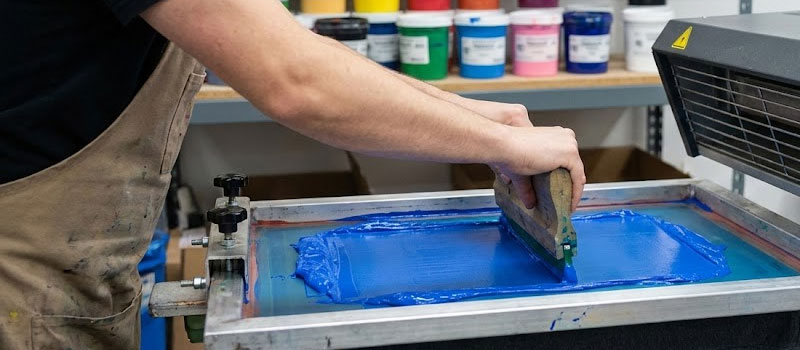
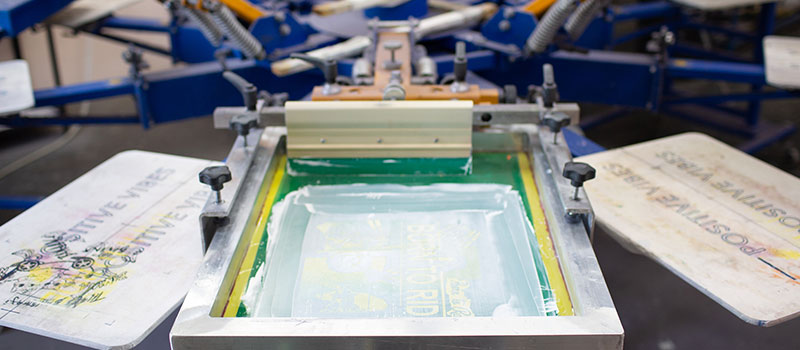
Screen printing applies ink through a mesh screen directly onto the fabric. Each colour in the design requires its own screen.
Best for:
- Large print runs
- Simple designs with solid colours
- Corporate, promotional, and event T-shirts
Limitations:
- High setup cost for small orders
- Not ideal for detailed or photographic designs
Screen printing remains one of the most cost-effective and durable options for bulk T-shirt printing.
You can learn more about this process on our dedicated screen printing services page.
2. Direct to Garment (DTG) Printing
What it is:
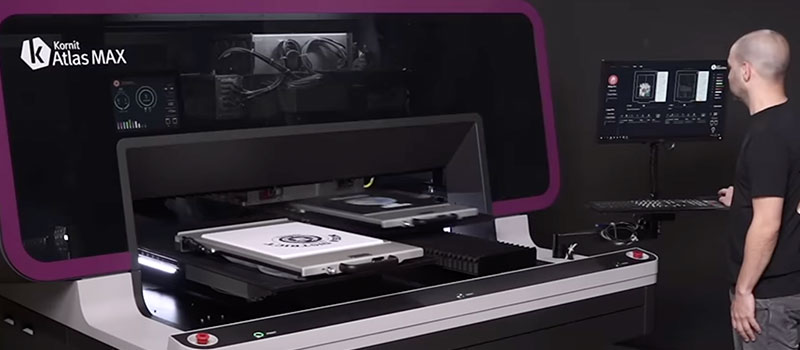
DTG printing uses to print designs directly onto the fabric, similar to printing on paper.
Best for:
- Small orders or one-off prints
- Highly detailed, full-colour designs
- Photographic artwork
Limitations:
- Less cost-effective for large quantities
- Best results on cotton or high-cotton blends
DTG is commonly used for short runs where design complexity is more important than volume pricing.
3. Direct to Film (DTF) Printing
What it is:
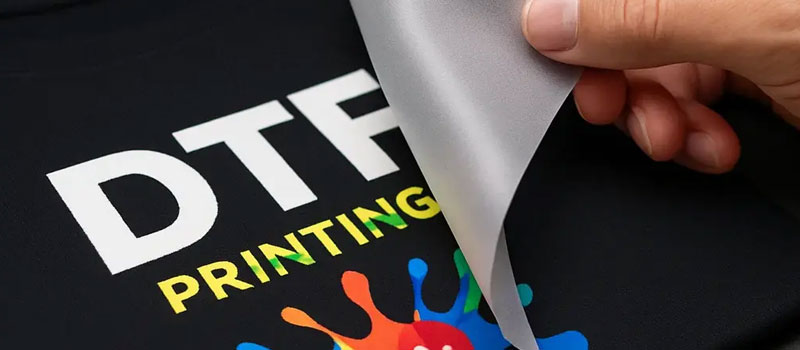
DTF involves printing a design onto a special film, which is then heat-pressed onto the T-shirt.
Best for:
- Small to medium orders
- Multi-colour designs
- Printing on a wide range of fabrics
Limitations:
- Slightly heavier feel than DTG
- Not as breathable on large print areas
DTF has grown in popularity due to its flexibility and consistent results. Our page explains how it compares to other modern methods.
4. Heat Transfer Vinyl (HTV)
What it is:
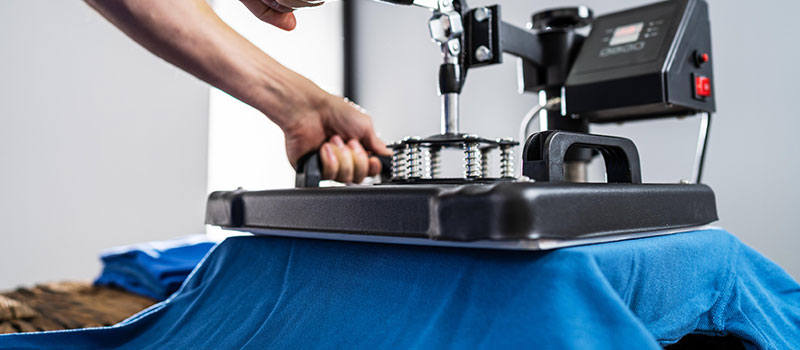
HTV uses coloured vinyl sheets that are cut into shape and heat-pressed onto the garment.
Best for:
- Names, numbers, and simple logos
- Sportswear and team kits
- Small personalisation runs
Limitations:
- Not suitable for complex or detailed designs
- Can feel heavier on the fabric
HTV is commonly used where durability and personalisation are more important than intricate detail.
5. Sublimation Printing
What it is:
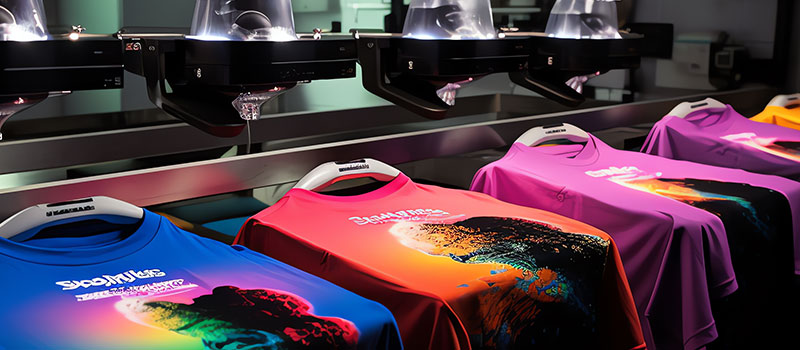
Sublimation printing uses heat to turn dye into gas, bonding it permanently with the fabric fibres.
Best for:
- Polyester T-shirts
- All-over prints
- Designs that need to last without cracking or fading
Limitations:
- Only works on light-coloured polyester garments
- Not suitable for cotton
Sublimation is widely used in sportswear and performance clothing.
6. Plastisol Transfers
What it is:
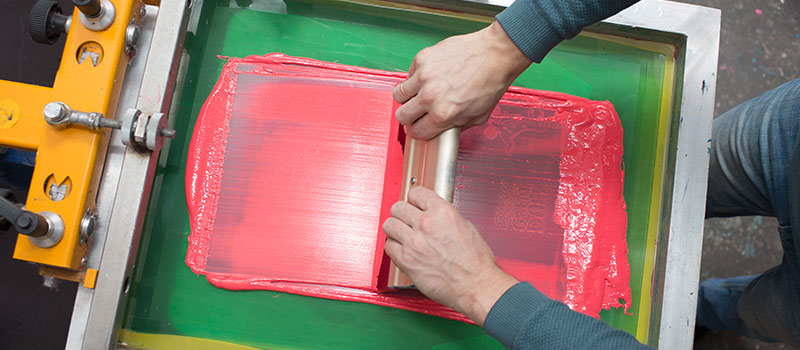
Plastisol ink designs are screen-printed onto transfer paper and later heat-pressed onto garments.
Best for:
- Pre-printed stock designs
- Consistent branding across garments
- Flexible production workflows
Limitations:
- Less breathable than direct printing
- Additional heat-press step required
This method is often used when designs need to be applied at different times or locations.
7. Water-Based Screen Printing
What it is:
A variation of screen printing that uses water-based inks, which soak into the fabric rather than sitting on top.
Best for:
- Soft-touch prints
- Fashion and retail T-shirts
- Eco-conscious branding
Limitations:
- Requires more controlled printing conditions
- Less vibrant on darker fabrics
Water-based printing is favoured where comfort and a natural feel are priorities.
How to Choose the Right T-Shirt Printing Method
The best printing technique depends on:
- Order quantity
- Fabric type
- Design complexity
- Budget and turnaround time
There is no single “best” method for all situations — only the most appropriate one for your specific use case.
Curious about a specific method? See our full guides to puff screen printing and direct to garment printing for how each one works.